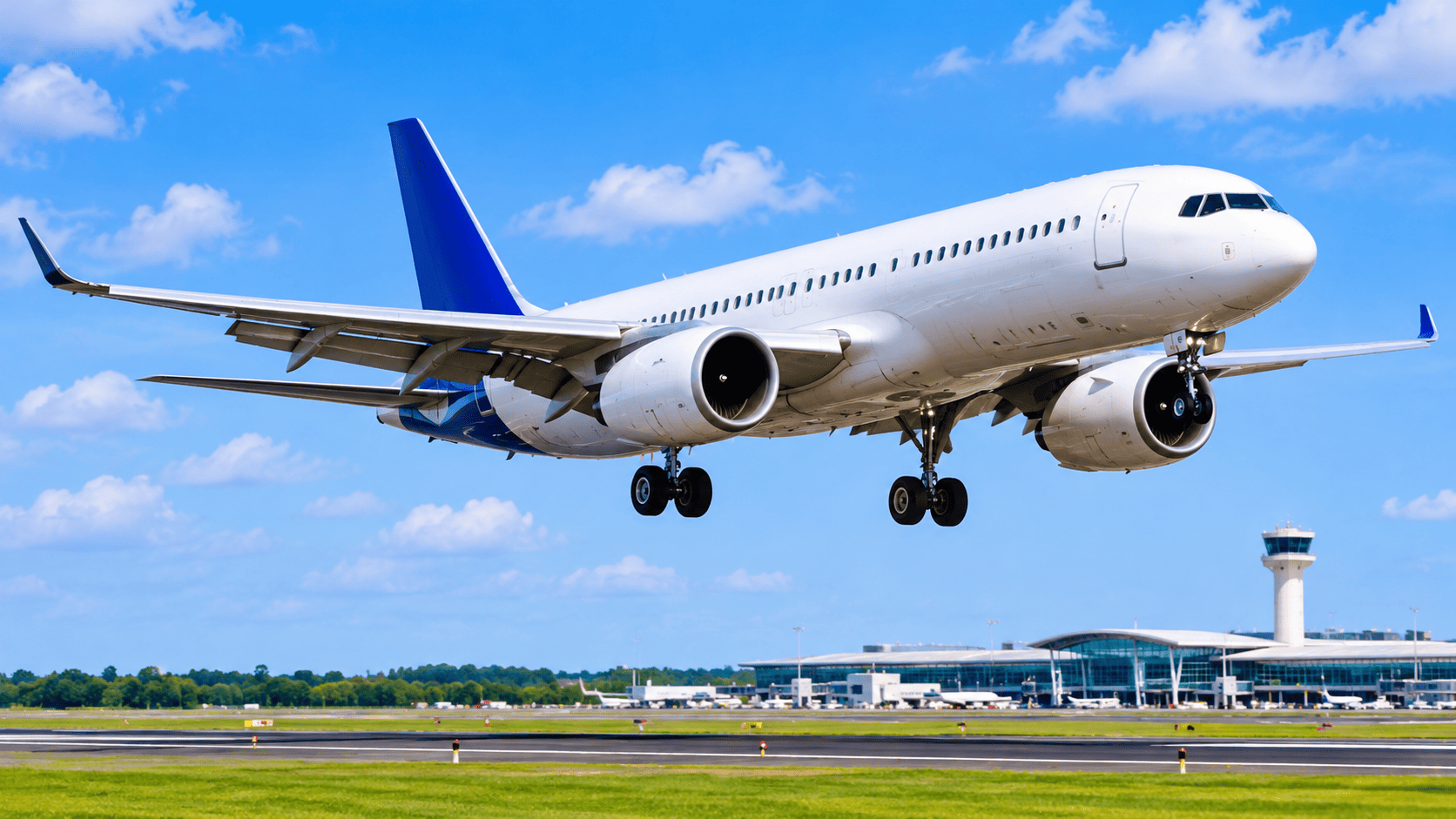
Arranging accessible travel facilities, Air France Valletta Office helps passengers understand available mobility support and medical equipment transportation conditions. Travelers can enquire about wheelchair assistance, boarding support, accessibility arrangements, and procedures for carrying essential medical devices. Certain equipment may require advance approval or supporting documentation. Passengers travelling with medical supplies should review applicable safety and transportation requirements before departure. Communicating individual needs early allows travelers to understand available facilities and prepare for a more comfortable airport and onboard experience.
Flight Reservation and Ticket Booking Services
Booking a flight involves several decisions, including selecting a destination, choosing suitable departure dates, comparing fares, and understanding available travel classes. Passengers can use Air France's reservation services to explore flight options and plan their journeys according to their schedules and budgets. Travellers departing from Malta can check available connections, including journeys through major international airports. Before confirming a reservation, customers should review the ticket conditions, baggage allowance, cancellation rules, and additional charges. Assistance is also useful for passengers arranging connecting flights or travelling with family members. Having accurate booking information helps avoid misunderstandings and makes the reservation process more convenient.
Flight Changes, Rescheduling, and Cancellation Assistance
Travel plans can change unexpectedly because of professional commitments, personal circumstances, weather conditions, or other situations. Passengers who need to modify their itineraries should review the conditions associated with their tickets before requesting changes. Air France provides booking management options that allow eligible customers to review reservations and make permitted modifications. Depending on the fare type, travellers may be able to change departure dates, select alternative flights, or update certain passenger details. Cancellation requests and associated refunds are also subject to ticket conditions. Customers should check applicable charges, deadlines, and refund eligibility before confirming a modification. Keeping booking references and payment details available can make the process easier.
Baggage Allowance and Luggage Regulations
Understanding baggage regulations is an important part of preparing for an international journey. Passengers should check the permitted weight, dimensions, and number of baggage items before arriving at the airport. Air France baggage allowances can vary according to the destination, ticket type, travel class, and frequent-flyer membership. Travellers should distinguish between cabin baggage and checked luggage because each category follows different requirements. Passengers carrying additional suitcases may need to purchase extra baggage allowance in advance, depending on their itinerary. Sports equipment, musical instruments, and other special items may also require specific arrangements. For flights operated by partner airlines, baggage rules can differ, so travellers should carefully check the conditions shown on their booking.
Lost, Delayed, and Damaged Baggage Support
Baggage problems can create unnecessary stress, particularly when passengers arrive at an unfamiliar destination. If checked luggage does not appear at the arrival carousel, travellers should report the issue to the appropriate airport baggage service desk as soon as possible. They may need to provide their baggage tag, boarding pass, and flight details to register a complaint. Passengers should keep the reference number issued for tracking the missing suitcase and checking subsequent updates. In cases involving damaged luggage, photographs and supporting documents can help with the claim process. Customers should also understand the airline's reporting deadlines and applicable baggage conditions. Prompt communication helps ensure that baggage-related concerns are handled through the appropriate procedures.
Online Check-In and Airport Check-In Facilities
Check-in is an essential step before boarding an aircraft. Passengers can generally use the Air France website or mobile application to complete eligible online check-in procedures. This option helps travellers confirm their journey, review passenger information, and obtain boarding passes when available. Customers who prefer airport assistance can visit the appropriate airline or handling-agent counter. Airport check-in procedures may include document verification, baggage acceptance, and boarding-pass issuance. Travellers should arrive with sufficient time to complete security screening and other departure formalities. International passengers should pay particular attention to passport validity, visa requirements, and destination-specific documentation. Checking the applicable airport deadlines in advance can help prevent last-minute difficulties.
Seat Selection and Travel Class Information
Choosing a suitable seat can make a significant difference to the overall flying experience. Some passengers prefer window seats for scenic views, while others choose aisle seats for easier movement during the flight. Families may want to arrange nearby seating, and business travellers may prefer additional comfort or convenient access to the aisle. Air France offers different seating options depending on the aircraft, route, and fare conditions. Certain seats may involve additional charges, while some benefits may be included with particular ticket types or membership levels. Passengers should review the available seating arrangements during booking or through the reservation management facility. Checking seat availability early can improve the chances of securing a preferred position.
Flight Status and Schedule Information
Keeping track of flight schedules is essential for organised travel. Departure times, arrival estimates, boarding gates, and operating conditions can change because of operational requirements or weather disruptions. Passengers should regularly check their flight status before leaving for the airport. Air France provides digital flight information facilities that help travellers monitor relevant updates. Customers connecting through another airport should also review the departure information for their onward flight. In case of delays or cancellations, passengers should check the latest notifications and available rebooking arrangements. Staying informed allows travellers to adjust their transportation plans, notify people waiting at their destination, and manage unexpected changes more effectively.
Refunds, Payments, and Ticket Documentation
Passengers sometimes need assistance with payment confirmation, ticket receipts, refund applications, or other financial matters related to their bookings. These requests may arise after a cancellation, an eligible itinerary modification, or an adjustment to a reservation. The refund process generally depends on the fare rules, payment method, and reason for cancellation. Travellers should retain their electronic tickets, booking confirmation, and payment receipts because these documents can help resolve questions. Customers should also verify whether a refund is available to the original payment method or whether other conditions apply. For additional purchases, passengers should check the relevant confirmation details to ensure that the selected services have been added correctly to their reservations.
Special Assistance for Passengers
Air travel should be accessible and comfortable for passengers with different requirements. Travellers who need wheelchair assistance, mobility support, or help moving through the airport should communicate their requirements before departure. Advance notification gives the airline and airport service teams time to coordinate the necessary arrangements. Passengers travelling with infants, elderly relatives, or unaccompanied minors may also need additional information about available services. Medical equipment and other special items can be subject to specific transportation conditions. Customers should explain their requirements clearly when making a reservation or requesting assistance. It is advisable to confirm the arrangements before travelling so that the appropriate support can be provided at the airport.
Visa, Passport, and International Travel Documentation
International journeys require careful attention to immigration and entry regulations. Passengers travelling from Malta to another country should check whether their destination requires a visa, an electronic travel authorisation, or additional supporting documents. Passport validity requirements can vary between countries, and some destinations require documents to remain valid for a specified period beyond the arrival date. Transit passengers should also review the regulations applicable to their connecting airports. Travellers carrying different nationalities or residency permits may face different entry requirements. Although airline customer service can provide general travel information, the final responsibility for obtaining the correct documents rests with the passenger. Checking the latest requirements with the relevant government authorities before departure is strongly recommended.
Airport Services and Passenger Facilities in Malta
Malta International Airport is the primary airport serving passengers travelling to and from Malta. Located in Luqa, it offers facilities designed to support international departures and arriving travellers. Passengers can find check-in areas, security screening facilities, baggage collection points, shopping outlets, dining options, and passenger assistance services. Travellers should check their terminal and departure information before arriving because airport procedures and airline handling arrangements may vary. Those requiring additional assistance should contact the appropriate service provider in advance. It is also useful to review transportation options between Valletta and the airport, especially when travelling during busy periods or with several pieces of luggage.
Connecting Flights and Transit Assistance
Connecting flights require passengers to understand the time available between successive journeys and the procedures applicable at each airport. Travellers should check whether their baggage will be transferred automatically or whether they must collect and recheck it during transit. The answer may depend on the ticket arrangement, operating airline, and airport regulations. Passengers should also verify whether a transit visa is required for their nationality and itinerary. When a journey includes flights operated by partner airlines, certain services and baggage conditions may differ. Customers should check the operating carrier and the conditions attached to each flight to avoid confusion during connecting journeys.
Flying Blue Membership and Loyalty Benefits
Frequent travellers can explore Flying Blue, the loyalty programme associated with Air France and KLM. Members can earn miles and experience points on eligible flights and other qualifying activities. Depending on their membership level and applicable conditions, passengers may receive benefits such as additional travel privileges, priority services, or access to selected airport lounges. Travellers should ensure that their membership information is correctly added to eligible reservations so that qualifying activity can be credited. Members can also review their account details, available miles, and programme conditions through the appropriate digital facilities. Understanding the applicable benefits can help frequent flyers make more informed travel decisions and plan future journeys.
In-Flight Services and Passenger Comfort
A pleasant journey depends on more than reaching the destination on time. Passengers may want information about onboard meals, entertainment, seating comfort, connectivity, and available travel classes. Air France offers different onboard experiences depending on the aircraft and route. Service availability may vary between short-haul and long-haul journeys, so customers should review the details associated with their particular flight. Travellers with dietary preferences or special meal requirements should check the available options and request arrangements within the applicable deadlines. Passengers can also review information about onboard baggage storage, electronic devices, and other cabin regulations before departure. Preparing in advance helps create a more comfortable and organised flying experience.
Customer Support and Official Travel Information
Reliable customer support is important whenever passengers encounter questions about their journeys. Travellers may require assistance with reservations, flight disruptions, baggage concerns, refunds, special requests, or loyalty programme information. They should use recognised Air France customer support channels to obtain accurate guidance and avoid relying on unverified contact details. It is particularly important to confirm the address, telephone number, and operating hours of any local service point before planning an in-person visit, as third-party directory information may not always be current or officially confirmed. The airline's official website and mobile application are useful resources for checking reservations, reviewing travel conditions, and receiving relevant service updates.
Conclusion
A well-organised journey begins with accurate information and proper preparation. From flight reservations and baggage regulations to check-in, refunds, seat selection, and international documentation, passengers have several important details to consider before travelling. Air France offers various digital and customer support facilities to help travellers manage these requirements. Passengers in Malta should verify local contact arrangements through recognised airline channels before visiting an office or relying on a listed telephone number. Keeping travel documents, booking confirmations, and baggage information readily available can make communication easier and help ensure a smoother experience throughout the journey.