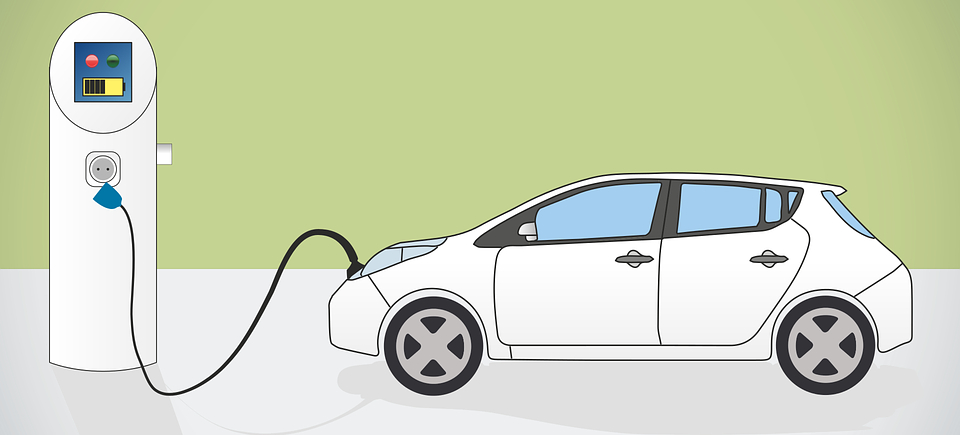
Instead, they function on batteries that have to be charged using their corresponding chargers. In essence, it is like charging your phone but at a much larger scale. The same is also true for plug-in hybrid vehicles (PHEV).
Need for home charging:
If you have a garage or driveway, EV charging will not be a hassle for you. You can install a home charging station that will allow you to charge your vehicle whenever you want. The option for public charging remains open to you in case of emergencies. But when you have a charger at home, you will not have to worry about long queues and extra charges.
Home wall box charger:
The device used to power up your electric vehicle at home is usually referred to as a home wall box charger. It is an electric unit connected to the main supply of your house. It charges your EV relatively fast when compared to a regular three-pin plug. Aside from its charging efficiency, it is very safe as it does not require an extension cord. Moreover, it is almost always unaffected by weather changes, making it usable throughout the year. You can also get this charger in the intelligent variety, which can be accessed and handled through your cell phone.
Types of home wall box chargers:
There are various home wall box charging options available in the market right now. When presented with so many alternatives, you might get confused as to which one to go for. There are various aspects you have to factor in before making a decision. These include cost, usage ease, charging pace, connector and cable design, etc. In terms of connectors, most home chargers use a Type 2. That is done probably to match with the existing Type 2 set-up in public charging stations. When you buy a charger, you also get two choices regarding the tethering of the wall box - tethered and untethered. Tethered charging points refer to those units in which the wall box has a charging cord attached. That cable can be plugged directly into your vehicle to power it up. The untethered variant has a regular plug with no attached cable. Some cars come with one, but most of the time, you have to buy your own. Although there is an additional expense (around £150), it gives you the liberty of using the same plug for a different car.
Charging speeds of home wall box chargers:
You can also get different chargers that charge your vehicle at different rates. It is, of course, great to use a highly efficient charger, but it can get pretty expensive. In general, home wall box chargers range from 3 to 7 kilowatts. Some extraordinary units can even deliver up to 22 kilowatts. For instance, a 3.7 kW unit requires around 13 hours to charge a 40 kWh battery fully. When you use a powerful wall box, say 7 kW, it will take downwards of 6 hours to do the same. A supreme 22 kW will need even less time, rounding off to about two hours.
Now it becomes a battle of price and efficiency of the electric vehicle charging points. If you are a low mileage driver, going out every once in a while, a fast charger is of no use to you. A 3 to 3.6 kW charger will get the job done, saving you a lot of money. But if you drive quite a bit, your battery will run out quicker. Investing in a fast wall box might become necessary to keep your vehicle up and running. In this context, it is also crucial to ensure the charging speed is compatible with the power supply of your house. Depending on whether the main electricity line is a single-phase or three-phase, there will be a cap on the charging rate. Be sure to seek help from an expert to understand the related logistics. That way, you can come to the correct conclusion without wasting any unnecessary time and money.
Among the various companies that sell home chargers, Pod Point, EO Charging, Rolec EV, BP Pulse and MyEnergi are most popular. So if you wish to use a home car charger install it correctly with the help of a technician. That way, your electric vehicle will always be charged safely and efficiently.