Acne is a prevalent skin condition that is caused due to several reasons. Germs and dead skin cells clog in the pores of the skin. Acne can result in blackheads, whiteheads, and other types of pimples. If you are suffering from acne or acne scars, know that you are not alone. Many people go through these problems and find the correct remedy for themselves. Acne affects 80 percent of persons between the ages of 11 and 30, and most people will experience it at some point in their lives.
Here are a few acne treatments, which you can consider if you are suffering from acne:
Cleanser with grapes
No doubt that grapes are yummy to eat, but they are also proven to cleanse the skin, making it appear to glow and be fresh. Most people do not know about the incredible effects of grapes on the skin. Acne is mainly caused by a bacterium that lives in the sebaceous glands. When you rub the juice of grapes on your skin, it fights against these bacteria making your skin acne-free.
Give yourself a simple facial by using a few grapes from your refrigerator. When rubbing these grapes on your face, make sure you thoroughly wash them. You can use this remedy two times a day for quick results.
Dermabrasion
Dermabrasion is a procedure that involves scraping a part of the skin down to the dermis with a gritty substance. This procedure is used to treat scars and various skin pigmentation disorders. However, because dermabrasion can produce discoloration in people with darker skin tones, this acne scar therapy is best for those with fair skin and severe scarring that has entirely healed.
Laser
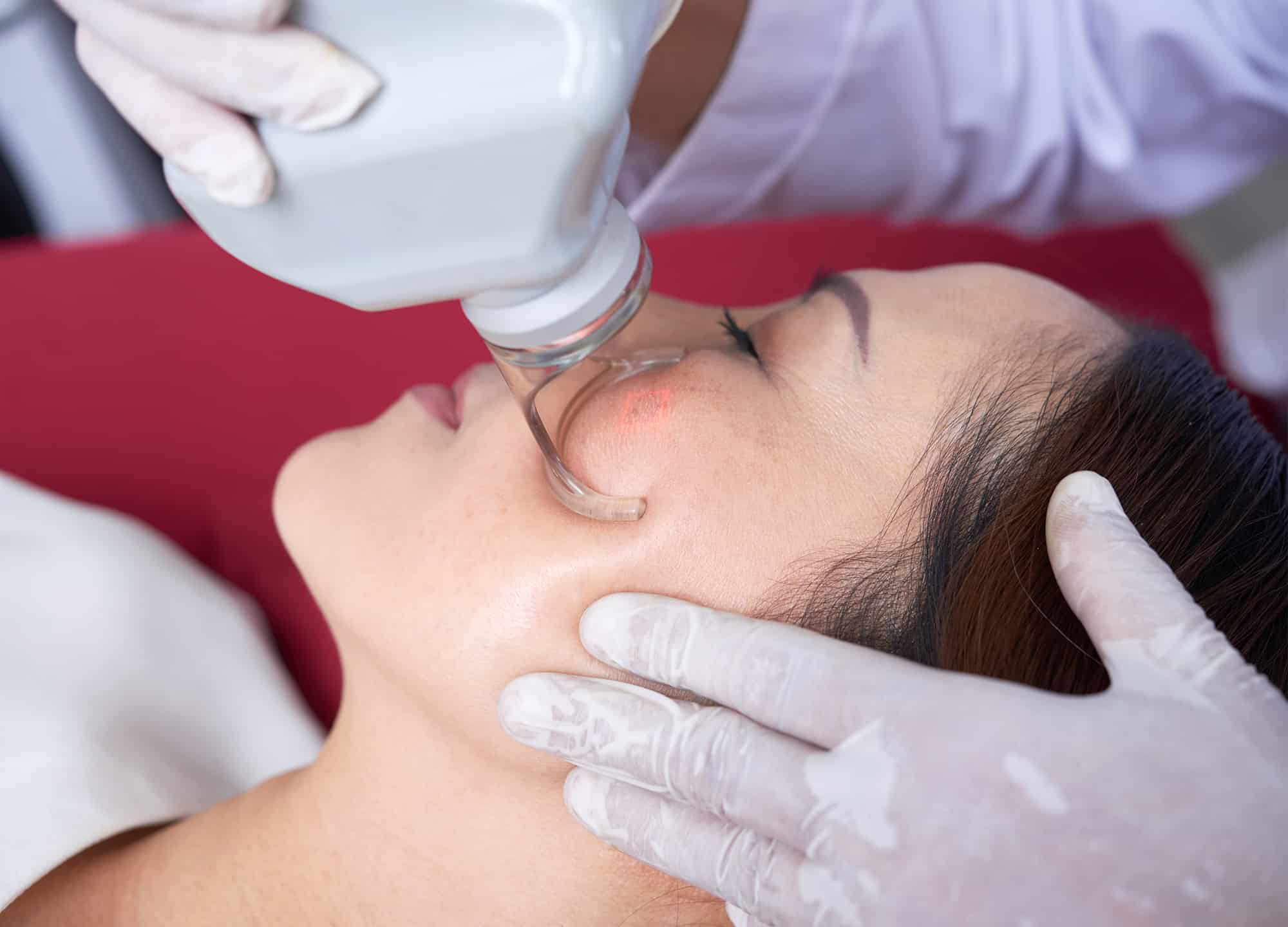
Laser therapy for acne scars works by directing a beam of light at a certain energy level to the affected area. This concentrated energy stimulates the tissue, causing it to mend itself. After several operations, the scar's pigment will gradually blend in with the surrounding skin. Laser therapy is most effective when it is used correctly.
Facial Microdermabrasion
This non-invasive cosmetic treatment, which uses a handheld device to buff away the top layers of dead skin, is one of the quickest ways to acquire a healthy glow. This facial can help with acne and is considered the best skin treatment. After microdermabrasion, the skin should be brighter, smoother, and more uniformly toned.
LED Facial Lights
LED facials emit a spectrum of infrared light that includes white, red, and blue. These lights work on your skin's tone, collagen, and bacteria. This light treatment is designed to combat active acne and is especially beneficial for persons with sensitive skin.
Make a mask with honey and cinnamon.
Honey and cinnamon have a positive effect on your skin. They contain antibacterial properties that can fight against all the germs that cause acne. It is one of the best skin treatments for acne. It might also be beneficial.
- Levels of blood pressure
- Sugar levels in the blood
- Cholesterol levels are high.
- Inflammation
- Burn treatment and wound healing
Face Pack with Cucumber
Use this cucumber solution instead of oats or yogurt if you don't have any on hand. This relaxing, cooling mask will smooth your skin, which may be harsh due to acne. "Mash one whole cucumber, drain the water, and stir in 1 tablespoon of sugar," Cook-Bolden suggests. "Apply to your face and let for 10 minutes before washing it off with cold water."
Tea tree oil can be used to treat specific areas.
To assist cure acne, it has mild anti-inflammatory and antibacterial qualities.
It might also be beneficial.
- Infections caused by bacteria and fungi
- Immune system function
- Inflammation
- Hair and scalp health
- Bad breath and tooth decay
- Healing of wounds
Safety
Side effects that may occur
Tea tree oil is a fragrant essential oil derived from the leaves of Melaleuca alternifolia, a small Australian tree. It's well-known for its antibacterial properties and capacity to alleviate skin inflammation.
Furthermore, applying tea tree oil to the skin has minimized acne in multiple trials.
Another small study found that people who used a tea tree oil treatment for acne had less dry skin and irritation than benzoyl peroxide.
Tea tree oil may be an effective option for topical and oral antibiotics, which might create bacterial resistance if taken long-term for acne
Tea tree oil is powerful, so dilute it before using it on your skin.
What to do with it
- One tbsp. Tea tree oil + 9 tbsp. water
- Apply the mixture to the afflicted regions with a cotton swab dipped in it.
- If desired, use a moisturizer.
- As needed, repeat this treatment 1–2 times per day.
Salicylic acid
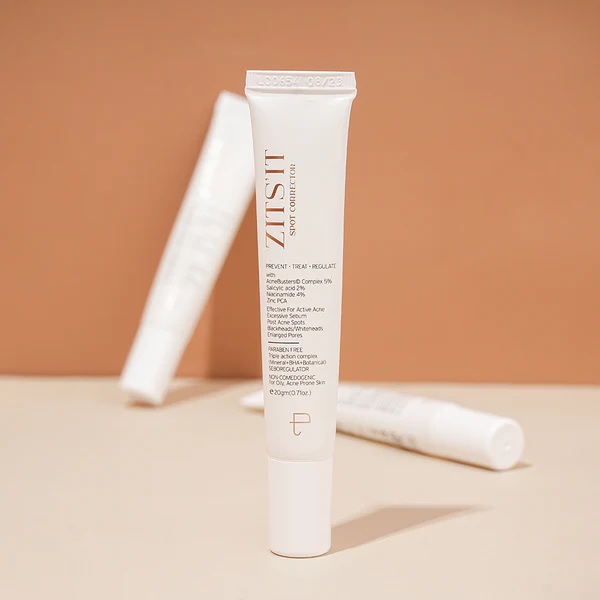
Salicylic acid is the go-to acne treatment for teenagers. And you'll find it as the active component in the majority of products labeled "acne wash" or "spot treatment" in the drugstore's skincare aisles. Salicylic acid helps pimples shrink and disappear by lowering swelling and unclogging pores.
Salicylic acid also has anti-inflammatory effects, which can help with inflamed cystic eruptions caused by obstructions deep inside the hair follicles that rupture beneath the skin. Although using salicylic acid in a face wash is perfectly safe, you may discover that using it as a toner, moisturizer, or leave-on spot treatment yields more significant results because it has more time to act.
Bottom line:
Changing acne products every few days may seem like a good idea, but it might worsen acne. Acne therapy takes time to take effect. Changing products every few days can aggravate your skin and lead to fresh breakouts.
If a treatment is effective for you, you should see results in 4 to 6 weeks. Clearing can take two to three months, or perhaps longer.
Continue to use the treatment if you detect an improvement. Even if your acne is clearing, you should continue to use the acne treatment—this aids in the prevention of future outbreaks.