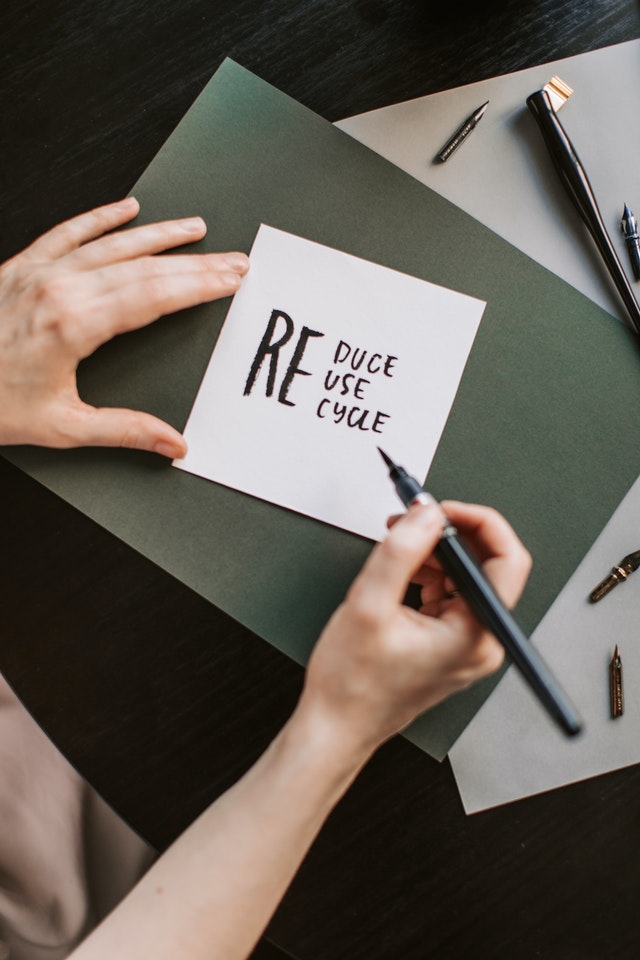
Australia’s plan to save and protect the environment has to be executed and implemented well. Starting from home to larger corporations is vital. Waste is prevalent around the globe and Australia is not an exception. If we want to see the change in harmful carbon emissions and create an eco-friendly society, recycling is one of the easiest and best ways to start off. Recycling is the process that involves collecting, processing and re-using or re-purposing various materials to reduce waste and produce environmentally-friendly products.
Three Processes of Recycling
Many cities and suburbs in Australia follow the general 3 processes of recycling. It all starts with rubbish removal Melbourne is one of the best and most competent recycling processes in Victoria. Getting into the 3 processes: The 1st process is known as mechanical recycling. This is known to be the best method in generating materials that have been recycled.
The process involves grinding, dividing, compounding and washing plastic waste to make them reusable for a long period of time. The 2nd process is known as energy recycling, which involves burning materials. The heat produced from this can be used for fuel, making it eco-friendly energy production. Lastly, chemical recycling. This is a complex process that involves the modification of waste material chemical structures to create a raw material.
The Top Recyclable Items
In Australia, there are few items that are popularly recycled. Office paper, newspapers and cardboards are the number one items. Closely following paper and cardboard are metal items such as aluminium cans & foil along with steel and tin cans. In addition, glass is also a top contender in the recycling popularity contest. This is especially true for transparent glasses as they are much easier to recycle compared to flint or amber glasses.
Last but not least on the list are plastics. Around 9% of plastic wastage is recycled in Australia. There are two main types of plastics for this purpose. For example, polythene terephthalate, which is used to make all the drink/ water bottles and high-density polythene, which makes all the non-clear water bottles such as moisturizer and conditioner bottles.
The Yellow Recycling Bin
Many people still get confused over what needs to go to their yellow bins. Let me clear it up for you! The products deemed acceptable in your sunshine-coloured bin are containers and plastic items, aluminium cans, aluminium foil, paper-based items such as newspapers and magazines, flattened out cardboard boxes, non-perishable containers (both food and beverage) and finally, glass containers and bottles. On the other hand, other items that should never go into your yellow bin are plastic wraps, plastic bags, plastic films, cups made of plastic or have a plastic coating.
The Extra Mile
You can make saving the environment a step further and opt for more eco-friendly products. Such as using alternative items from plastics to bamboo-based essential items such as your coffee cup or toothbrush. Use more metal-based straws, swap plastic bags for tote bags and use more biodegradable products in your day-to-day life. This will ensure you live a sustainable lifestyle and contribute to keeping the environment safer.
Take that step, follow these guidelines and protect your nation’s environment!