Operating the car in winter creates additional problems for the driver, and preparation should begin long before the first snowfalls. Experts recommend thinking about changing summer tires to winter ones already at an air temperature of +7 degrees Celsius if we talk about car tires.
The explanation for this is simple — summer tires on cold asphalt have significantly less grip, and morning frosts ultimately reduce it to nothing.
For most car enthusiasts, winter tires' choice is obvious, but some of the drivers are still undecided.
Let's try to help understand the situation. Winter tires can be divided into anti-skid studded tires and friction tires (or Velcro, as drivers say).
Tyres of each group have their own advantages and features.
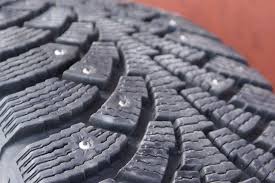
Features of studded tires
The advantages of studded tyres include excellent grip on icy and snowy surfaces. They also add to good cross-country recreation on loose snow.
The vast majority of modern studded tires are made for extreme winter conditions, as evidenced by the unique three-pin mountain markings on the sidewall. Previously, the M + S mark was used (an abbreviation formed by the first letters of the words "mud" and "snow"), but now these letters are even found on tires with summer patterns.
Simultaneously with the improvement of the tread pattern and the rubber compound's composition, the design of the anti-skid studs is being changed. Nowadays most winter tire manufacturers use original studs, which are installed directly at the factory. This implies 100% control over the "studding" process.
The experience of using studded tires suggests that with the careful operation of instalment and treatment, they serve for a long time. Most of the problems associated with rapid wear and loss of studs result from aggressive or inept driving. Wheel slip is especially harmful, as it can deprive tires of a significant number of studs in a matter of seconds, and make the remaining studs less efficient.
Features of friction tires
The tread mechanism of a friction tire is reduced to the removal (erasure or absorption) of a thin water film that appears between the heated rubber and the icy surface, after which effective semi-dry or dry friction occurs.
The thickness of the resulting water film depends on the ambient temperature and the ice structure; therefore, the grip properties of friction tyres depend on climatic conditions. The lower the temperature in winter, the more efficient the friction tyres work.
The potential "winter" life of a friction tire is higher than that of a studded tyre, but it is usually limited by wear to half the tread depth. Despite the soft rubber composition and many slotted slots (sipes), modern friction tires have a high resource.
Considering that these tires can be "put on early and removed later", they look very attractive for winter use, especially in urban conditions where the main road surface is asphalt. The absence of studs favorably affects the comfort and noise level of the tires and the durability of the road surface itself.
The number of adherents of stud less tires is growing steadily. This is facilitated by vehicle improvements aimed at improving handling in extreme road situations. However, the driver should not rely on automation alone. The winter road often consists of sections with a different grip, so driving in winter requires special attention and increased care.
Recommendations for choosing the type of winter tires
There are specific guidelines for choosing a particular type of winter tire. Novice drivers are better off using studded tires. Oddly enough, the same recommendation applies to sporty drivers. Just do not forget that aggressive exploitation leads to the loss of thorns.
The most affordable way to check installed tires' grip is to brake on the test road section. To do this, you need to select a safe area at the beginning of the route and check how the car behaves when braking.
Performing this simple procedure periodically, you can train yourself to adequately assess the road's condition and avoid risky situations.
Fans of a comfortable ride are more suitable for friction tires. Simultaneously, cars with front-wheel drive and all-wheel drive are better adapted to this type of tire. It should be recalled that the performance of a stud less tire on ice depends on the ambient temperature. In the temperature range from 0 to -15 degrees Celsius, they are inferior to studded tires in braking performance on the ice.
If you are an experienced motorhead, you can also install studs on your already existing car tire.