Being a structurally and chemically sound material, graphite has been fuelling industries for decades now. Due to its resistance to high temperatures and superior conductivity to ferrous metals and steel, this carbon allotrope has gained the attention of every industrial populous. The sustainable energy production movement is highly dependable on the graphite using lithium-ion batteries which can charge up and store the converted solar energy. Because of the high resistance to heat and good conductivity, graphite is the preferred electronic material; with its heat resistance, the problem of over-heat can be avoided in a lot of environments.
The Current Market
The graphite market has an expected annual growth rate of over 5%. This rise can mostly be credited to the increasing steel demands in Asia and the Middle East plus the swelling need for lithium-ion batteries that serve numerous industries. Although, this growth can inevitably be hindered due to the production of substitutes for lithium-ion batteries in large-scale applications, environmental health concerns, and, to mention the elephant in the room, the COVID-19 outbreak. Some rays of hope still shine, for manufacturers, in the sectors that aim to use graphite in green technologies with Graphite Molds.
Key Trends Driving the Market
Graphite in the natural form is industrially advantageous in refractories, crucibles, batteries, and lubricants etc. In 2019, refractories, foundries, and casting industries took 45% of the natural graphite industry for their use. Although, this lead is expected to be taken over by the batteries industry that is predicted to be at the peak by 2024. This demand for graphite products is due to the companies that are making lithium-ion batteries, electric vehicles, and consumer electronics. On the other hand, natural graphite has a cost advantage over synthetic graphite, this is also predicted to have an impact on the demand for natural graphite.
Let us have a look at the industries that are utilizing graphite products in different ways:
Pure Graphite Refractory Moulds
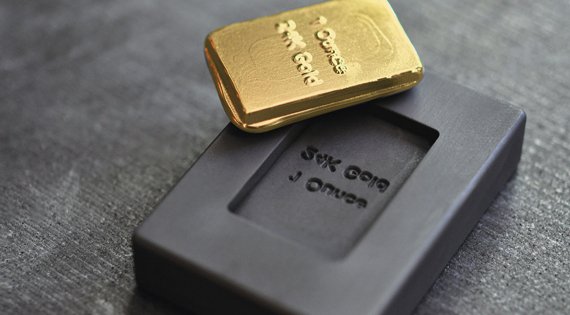
Refractory materials are the ones that are resistant to change in composure under heat and chemical pressure. Due to the excellent heat and chemical resistivity of graphite materials, they are the ideal material for the manufacture of moulds that shape burning molten metals. Moulds are used to bring molten metals into different shapes. Since other materials have a low resistance to heat, graphite is an affordably excellent option.
Graphite Crucible
What makes crucibles different from pure graphite moulds is their composition. Graphite crucibles are created from a mixture of heat resistant clays or carbon dioxide. These moulds are meant for the shaping of non-ferrous materials such as gold, aluminium, silver, and brass. They are also utilized for high temperature containing of liquids for storage and transportation as well as in forging electronic materials through high-temperature heating sintering without liquefaction
Batteries
Over the past few decades, the use of portable electronic devices has made the demand for natural graphite skyrocket. This is because the devices are sustained on batteries and these batteries are dependent on graphite anodes. The anodes for almost all major batteries are constructed with natural graphite as compared to the synthetic option.
Graphene Technology
A revolutionary derivative of graphite, known as graphene roller sheets, has a strength that is 100 times the strength of steel yet is 10 times lighter. This is the toughest and strongest material known to the world that is used in the manufacture of super-strength, lightweight sports equipment. Not only that, it has low light absorption, high conductivity and high resistance to chemical decomposition.
The natural graphite industry is leading the future of electronics and is not expected to slow down any time soon. Its good conductivity makes the material an ideal component to be used in electronic devices such as smartphones and other portables. With sustainable energy in demand, the demand for natural graphite is also expected to keep increasing.