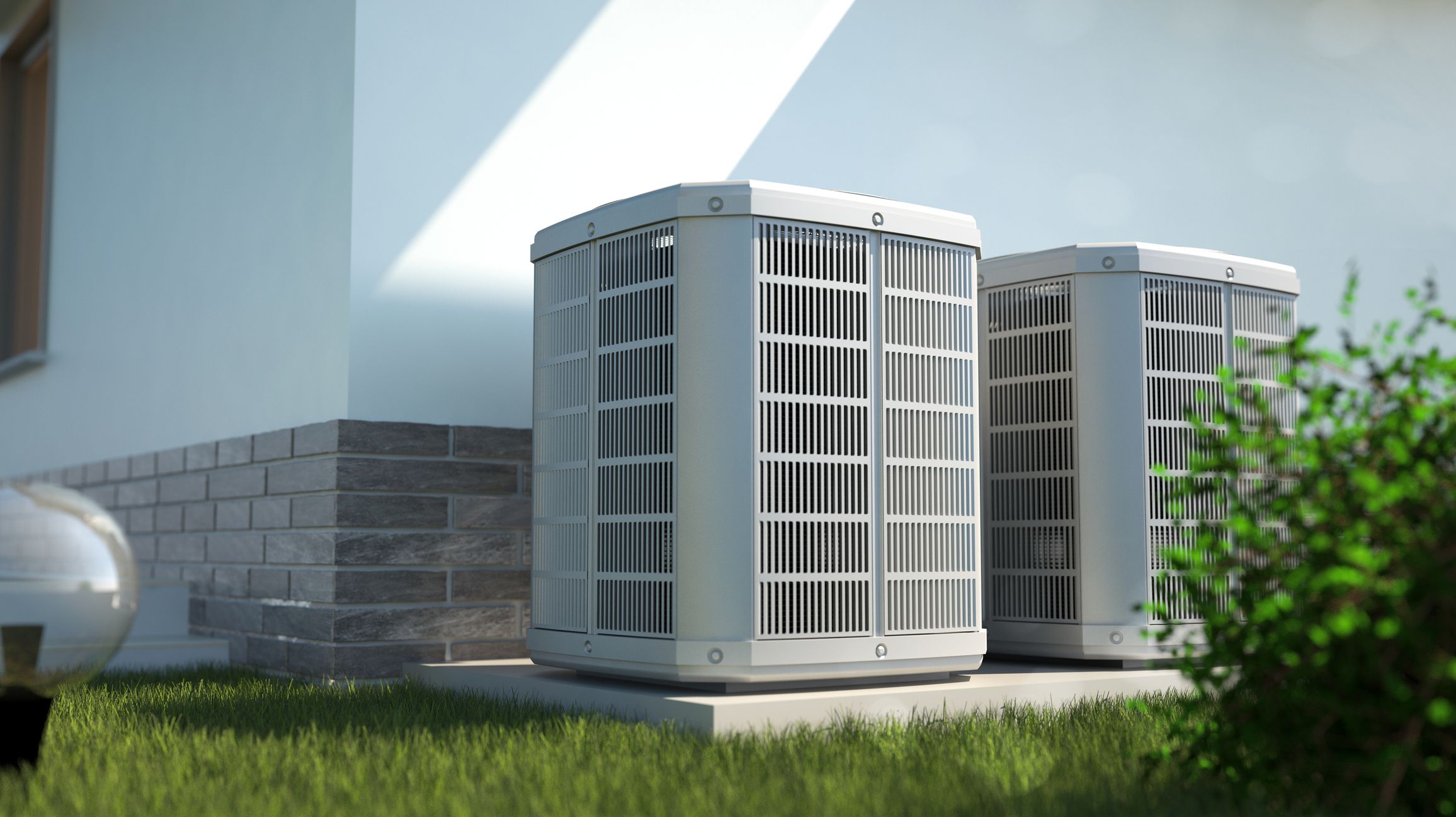
f shifts to defrost mode and melts the ice around it. However, if the number of ice increases around the coil and system, it can be dangerous; if it happens, the heat shuts itself to prevent any system damage. As the ice formed can damage the fins, fan blades, and the compressor.
The formation of heavy ice shows that the deforestation system is not working properly. It can be because of faulty sensors, relays, or controls. There could also be a problem with the reverse valve that could switch the system from heating mode to AC mode. Some other problem areas can be the outside motor or lack of enough refrigerant gas.
So, if your system is not defrosting the ice on its own or the defrosting mechanism is not completely melting the ice, shut the heat pump and summon help from a professional heat pump maintenance company or personnel.
Heat Pump Ices Up In Summer
Icing up is never normal in summers. Summer ice indicates some problem with the unit rather than defrost mechanism. These problems may be clogged air filters, dirty coils, or refrigerant leaks. You should avoid operating or trying to repair the unit yourself when it is iced up in summer. Doing so may result in damaging the unit before being repaired and making conditions worse.
The heat pump constantly cycles on and off
A thermostat improperly calibrated, clogged filters, or a faulty blower may cause short cycling. Short-cycling may overheat the unit. If the temperature indoors is different from the settings of the thermometer, then the thermostat anticipator may be the part causing problems.
The blower has stopped working
Check the thermostats fan switch. If it is “ON” then turn it “OFF” or “AUTO.” If the blower still does not work, then the limit switch may require some adjustments. Part of the pump that directs heat to all the ducts is called the plenum. The limit switch is situated below the plenum. If the air in the plenum gets very hot, the limit switch will turn off the system; if the motor is in working condition, but the blower does not work, then it may be due to the belt that connects these two components.
The unit is noisy
Unexpected and out of ordinary noises are alarming situations. If grinding, screeching, rattling, squealing, buzzing, humming, or other unexpected and alarming sounds are heard, then immediately turn off the system. These noises indicate a broken belt or loss of the part to a bent lower blade.
Your heat pump performs poorly and utility bills are going up
If your pump has not been serviced for more than a year, the unit may fail to keep you comfortable and cause an increase in your utility bills. Studies have shown that 95 percent of emergency repair situations and unexpected breakdown of equipment is the result of poor maintenance.
You have weak airflow and problems with indoor quality
Clogged or dirty air filters can cause multiple problems. These issues vary from poor airflow to poor indoor air quality. You should check your filters regularly almost after a month and replace them if they have become dirty.
If the heat pump keeps tripping the circuit breaker, get it examined before turning it back on. Continuous use of the system when it is ailing can cause damage to the unit. If you encounter a tripping problem, get it checked by professionals to avoid damages.