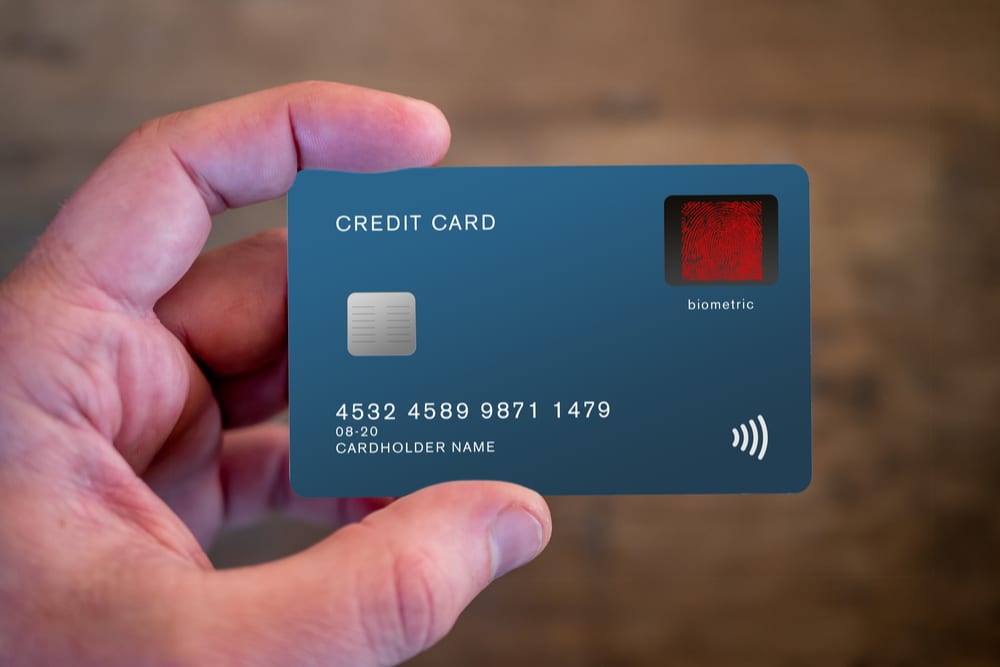
Credit cards improve the customer shopping experience and enhance the purchasing power with services like Buy Now Pay Later. Sometimes, customers overspend on their credit cards due to the enticing offers and skip on-time payments, which attract debt traps.
If you miss your credit card payments, the card issuer will not show at your door, but they will take action that will affect your finances and may even leave you penniless after paying hefty interest rates and late payment penalties.
Getting a credit card is easy and hassle-free through the online credit card application process facilitated by various issuers. The hassle lies in making late payments and the repercussions that follow.
Here are the adverse impact of missing your credit card payments:
If you made payments after the due date, you would be charged a late fee. The late payment fees are charged by your card issuer or the bank in your next bill. Based on the recent instructions of the Reserve Bank of India (RBI) to banks, individuals whose payments have been due for more than three days after the due date will incur late payment fees.
However, it is always better to avoid taking chances and pay off credit card dues on-time.
The outstanding bill's interest rate will likely increase if you fail to pay the minimum amount payable by the due date. If you miss paying the outstanding amount on your credit card, the interest will likely cost you as high as 45% annually.
Another disadvantage of late credit card payments is that you will be charged extra interest on cash withdrawal and regular purchases if you made any transaction from the card you defaulted on.
Therefore, always analyse your finances to avoid late credit card payments before applying for a credit card online.
- Withdrawal of the interest-free period
An interest-free period is the amount of time when the bank charges no interest on a purchase transaction. It is usually between 20 to 50 days from the date of purchase. It is the period where the bank finances your purchases. If you default on your credit card payment, the bank will withdraw the interest-free period.
Therefore, it is advised to make credit card payments on time to avoid losing the interest-free advantage.
- Adversely impact the credit score
Banks and lenders often assess and evaluate your payment capacity before approving loans or credit card applications, and one effective way to do that is through credit score.
Credit score contains your payment history, and any late payment can reflect negatively on your credit score, which cancels out your chances of getting credit in the future. Your bank informs the credit information companies whether you default on your payments or pay on time. Hence, if you default on credit card payments, your loan or credit card application will likely be rejected.
- A decrease in credit limit
A credit limit is a factor that allows you to meet your needs freely. However, if you fail to make timely credit card payments, the credit card issuer will decrease your credit limit, due to which you will not have the capacity to spend in the future.
In short
Late credit card payments have repercussions that will cost you money and even adversely impact your credit score, prohibiting you from taking loans in the future. So, while opting for a credit card, analyse your finances and be mindful of defaulting's adverse impact.