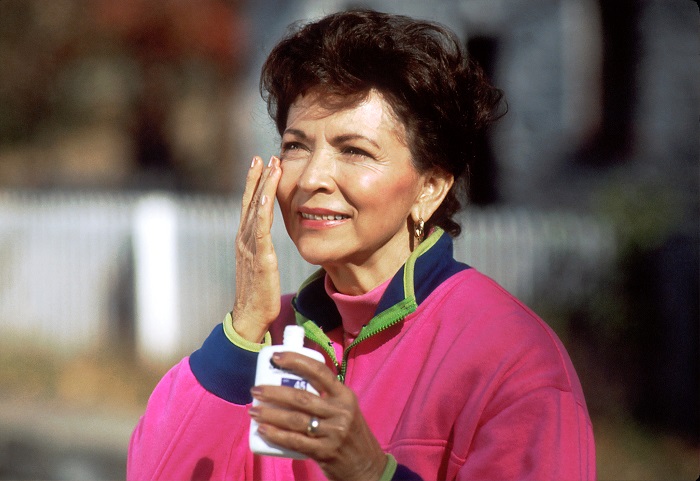
A skincare regimen for any age and gender involves the use of sunscreen. UV rays are equally dangerous for everyone, so taking care of your skin and preventing it from premature aging is essential now more than ever.
But what to look for in a sunscreen that guarantees the proper care? Here are some features to assist you in choosing the right sunblock according to your skin’ and environment’s condition and type.
Non-greasy:
Generally, nongreasy skincare products are recommended for oily or combination skin types. But a quick-absorbing sunblock would function well for anyone. After you are done with all other skincare steps, sunscreen is the last one to conceal the hard work and moisture.
That’s why having dry or normal skin does not mean you need thicker sunscreen. You can play the game of texture with your other skincare products.
For oily and combination skin with added sensitivity to acne, the non-greasy one is the best sunscreen for face. Especially in summers, it would not cause any sweating or shine on your face, just the glow you aimed for.
Less preservative count:
All manufactured products have some percentage of preservatives in them to keep them fresh and usable. But their presence harms our skin in the form of irritation, acne, breakouts, and pimples. People with sensitive and acne-prone skin types show an immediate reaction to such products.
A high-quality sunscreen would not such reaction to a harmful extent as they do not have that many preservatives in it. But note that such products are quick to expire and must be used within the mentioned period
Higher SPF:
According to some skin experts, SPF count does not matter. But others argue that how long a sunscreen works decide how good it is. The fact is that all SPFs work the same way. If SPF 25 absorbs 96% of the radiation, then SPF 50 absorbs 98% of it. That’s not a significant difference.
The best parameter of judgment is time. SPF 25 works for 250 minutes right after the application and SPF 50 works for 500. It is calculated by considering a normal sunburn to start after 10 minutes of normal sun exposure.
So, if you prefer using less product throughout the day then go for a higher SPF otherwise it’s not really a big deal.
Higher PA:
UVA radiation is responsible for skin cell damage that ultimately leads to premature aging. PA is the protection factor against UVA radiation and blocks it by turning it into a heatwave that warms the skin instead of damaging it.
The products with this factor are marked with a PA++ label and the more the plus signs, the better the protection. Try finding a sunscreen with both SPF and PA+++ as it would help you in combatting both UVA and UVB radiations from the sun.
Harmless functional compounds:
For a good sunscreen, ‘harmless; particularly mean the compounds that are not going to leave harmful side effects after getting their job done. Many cheap and low-quality sunscreens in the market have the metal derivatives of antioxidants synthesized within the lab. These compounds quench the free radicals in your skin but accumulate resulting compounds in your skin. As a result, skin gets allergic and breaks out.
Organic sunscreen is the best alternative as it has a high percentage of antioxidants derived from natural sources. Most of these sources are citrus fruits and vegetables, or coconut oil if the product is designed for dry skin. You can find such sunscreen in any ayurvedic shop Dubai has legally licensed for safe ayurvedic practices.
Paraben and SLS free:
Many brands claim to have no artificial fragrance or parabens in their products. But only a few keep the track of what it means with the passage of time. Non-fragrant sunscreens don’t have a desirable smell so companies add fragrance to make sure users find their product emotionally appealing.
But in the long run, the appeal turns into disgust when pimples and irritation don’t allow you to use that sunscreen anymore. So, before you buy a sunblock from any brand, always look for the mentioned harms.
Larger organic component:
Aside from the functional portion, a valuable sunscreen has a significant percentage of skin-friendly compounds like salicylic acid, hyaluronic acid, and complex extracts from any natural source. These products would not necessarily protect from the sun but add the factor of skin hydration and nourishment.
Many brands modify these extracts to concentrate the active compounds in their product which provides quick results. And quick results are one of the things people root for in everything these days.