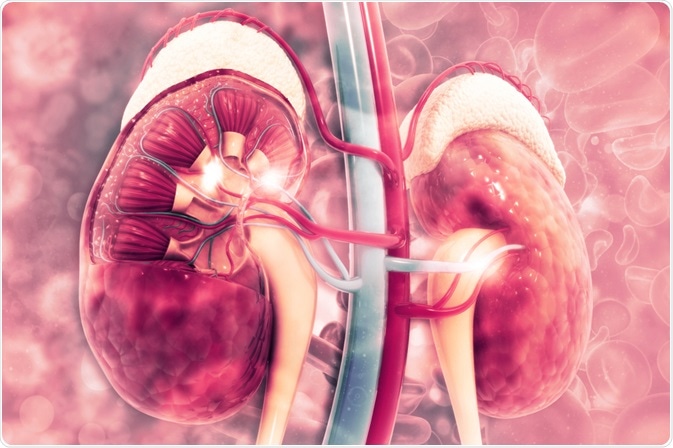
Chronic kidney failure is a condition when your kidneys do not work as they should. It occurs as a progressive loss in kidney function. Your kidneys perform various functions, such as:
- Excretes out waste material
- Maintains the balance of electrolytes
- Maintains and regulates blood pressure
- Produces hormones such as erythropoietin that regulates red blood cells production
- Activates vitamin D
- Regulates osmolarity and ion concentration
When your kidneys do not work well, it can result in kidney failure. The toxins may build up in your body. Therefore, to survive, you need to get dialysis done or a kidney transplant. Otherwise, you can not survive without it.
If you have a history of chronic kidney failure, you should visit the healthcare provider frequently, so they can monitor the kidney functions. For an expert opinion, you can consult with a nephrologist in Surgimed Hospital.
What are The Symptoms of Chronic Kidney Failure?
In the earlier stages, kidney disease may not show any such symptoms. It may show up when the disease progresses, and too much damage has already occurred. Moreover, the signs and symptoms of kidney disease are often confused with other health conditions, so it becomes difficult to diagnose the condition.
However, the common signs and symptoms of chronic kidney disease are:
- Unintentional weight loss
- Nausea and vomiting
- Loss of appetite
- Fatigue and lethargy
- High blood pressure that is difficult to control
- Chest pain- due to fluid build-up around the linings of your heart
- Shortness of breath- due to fluid buildup around your lungs
- Muscle cramps
- Itching
- A change in urination frequency
- Decreased mental alertness
- Sleep problems
- Bad breath
- Numbness in your limbs
- Bone pain
- Skin color darker than usual
- Absent menstrual periods
- Swollen feet and ankles
- Hiccups
- Insomnia
The symptoms of chronic kidney disease resemble other health conditions that make it difficult to diagnose. Your healthcare providers will perform tests to know about kidney functioning to make the final diagnosis. If you have been diagnosed with kidney disease at an early stage, you should visit your healthcare provider frequently so that they can keep an eye on your kidney health.
What are the Causes of Chronic Kidney Failure?
The most common cause of chronic kidney failure is uncontrolled diabetes and hypertension. However, other causes may include:
- Repeated kidney infections
- Congenital kidney disease
- Damage to kidney function
- Glomerulonephritis- inflammation of the kidney filtration system
- Autoimmune disorder
- Obstruction in the urinary tract due to kidney stones, cancer, or enlarged prostate
- Long term use of certain medications such as NSAIDs or lithium
What are the Risk Factors for Chronic Kidney Disease?
Factors that can increase the risk of chronic kidney disease are:
- Smoking
- Being overweight or obese
- Having other health conditions such as heart disease, high blood cholesterol levels, or diabetes
- Having a family history of chronic kidney disease
- Being aged over 65
What are the Complications of Chronic Kidney Disease?
Chronic kidney disease can lead to various complications, such as:
- Fluid accumulation in your body and around the lungs
- Cough due to heart failure
- High blood pressure that is difficult to control
- Vitamin D deficiency can make your bones weak, making them prone to fractures
- Seizures due to nerve damage
How Kidney Disease Can Be Prevented?
Kidney diseases are preventable up to a little extent. For that, you should:
- Maintain a healthy weight according to the body mass index.
- Keep your blood pressure under control.
- If you are diabetic, keep blood sugar levels under control.
- Quit smoking.
- Limit alcohol intake. Men should not consume more than two drinks a day, and women should not consume more than one drink a day.
If you need to take over the counter pain reliever for any health condition for the long term, consult with your doctor about it.
The Bottom Line
Kidney disease causes progressive and irreversible damage. Therefore you need to take care of yourself if you are diagnosed with altered kidney function. If you have kidney disease, you can visit a nephrologist in Islamabad.