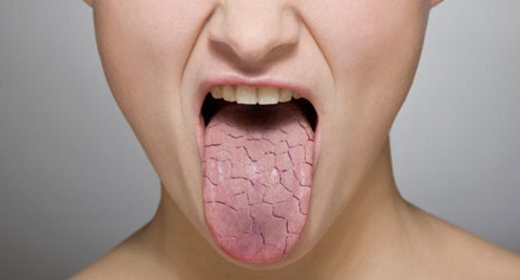
Do you experience constant dry mouth? You probably know the feeling when you’re about to eat, speak, or swallow and your mouth suddenly becomes dry. Your food or words get stuck in your throat. This condition is called xerostomia – also known as dry mouth.
Dry mouth is often a temporary condition caused by a decreased amount of saliva produced by your salivary glands. However, it can be a chronic condition for some people, which can lead to various oral health problems. If you have constant dry mouth, make sure to know its causes, symptoms, and oral health consequences. You should also learn how to treat it and prevent serious dental issues.
That said, let’s learn about the signs and causes of dry mouth.
Causes and Signs of Dry Mouth
If you experience constant dry mouth, it can be due to one or more reasons leading to this condition. In most cases, your dry mouth should leave you after you stop certain activities, behaviors, medications, or treatments. But if you still experience xerostomia, there can be a problem in your salivary glands.
A dry mouth is a symptom of various health issues. Make sure to see your doctor or visit Houston dentistry to diagnose the source.
Causes of dry mouth are:
- Dehydration
- Medications’ side effects
- Anxiety or stress
- Cancer treatments
- HIV/AIDS
- Autoimmune diseases
- Diabetes
- Alcohol, tobacco, or recreational drugs
- Neurological issues
Signs that indicate you may have chronic dry mouth include tongue or throat problems, thick saliva, and a disturbed sense of taste.
Ways to Treat Dry Mouth
Whether your dry mouth is recurring or temporary, take the following actions to stimulate your saliva and get rid of dry mouth.
- Hydrate: sip water throughout the day.
- Chew: chewing sugarless gums can help stimulate your salivary glands and moisten your mouth.
- Medication: ask your dentist or doctor to prescribe a saliva stimulant.
- Moisturize: use artificial saliva products or mouth moisturizers, such as alcohol-free gels, sprays, and rinses.
- Avoid: limit caffeine, alcohol, cigarettes, and dry foods.
If certain medications are causing you dry mouth, ask your doctor to substitute those medicines.
Preventing Other Dental Problems
You should treat the condition in every possible way to prevent any oral health issue of dry mouth. If your saliva isn’t being produced enough, you should also maintain a good oral hygiene routine to keep bacteria away. Make sure to do the following steps:
- Brush twice a day with fluoride toothpaste.
- Floss regularly to clean the areas your toothbrush can’t reach.
- Rinse your mouth with an antimicrobial mouthwash.
- See your dentist routinely to effectively remove plaque and check on your oral health.
Your dentist might recommend in-office fluoride treatments or apply sealants to your teeth. This way, your teeth will be protected against decay. Treating and preventing dry mouth can be just a dental visit away. Take the precautions mentioned above and ensure your mouth stays healthy for a lifetime. For more information, feel free to contact A+ Star Smile Dental. We are ready to help you!