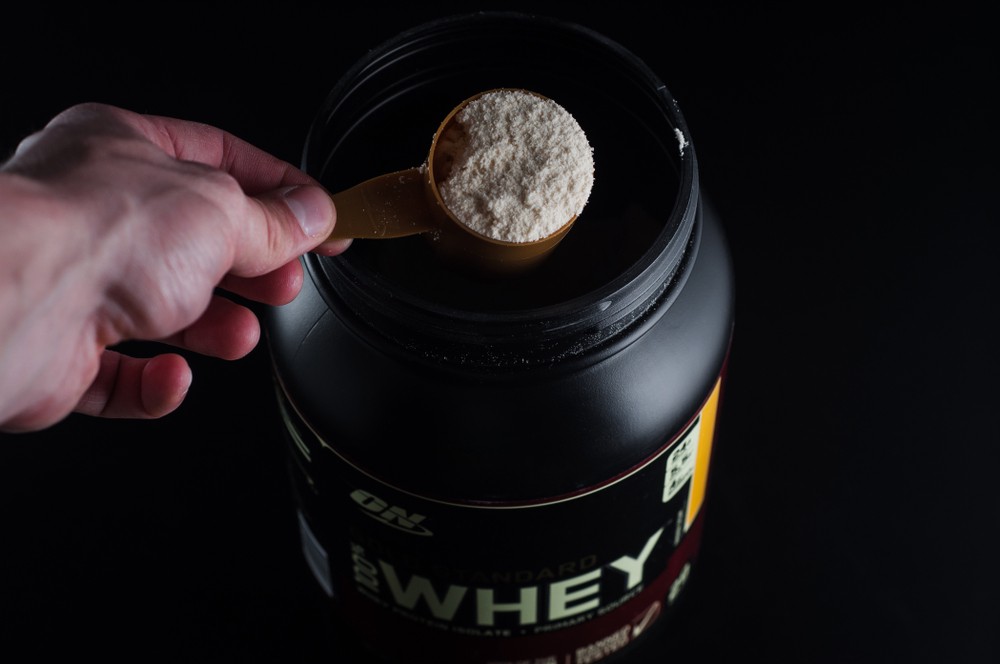
Proteins are building blocks of life; they are large complex molecules. Hundreds and thousands of small units of amino acids form protein. Protein plays many censorious roles in your body, beginning with repairing cells and making new ones, growth in children, and many more. Besides this protein also carries oxygen in every part of your body and fights off infections by making antibodies. There are various types of proteins found from organs, muscle to tissues to skin, bone, and hair. So, there is no second through to the importance of protein.
Here Are Some Science-Base Reasons To Eat More Protein
Elevates Muscle Mass And Strength
Protein supplements have been proven to enhance muscle building. So, the intake of an ample amount can aid you to gain muscle and strength while doing weight training and physical activities like running and cycling.
Build, Repair, And Oxygenate
Next to building muscle, its consumption is necessary for healthy skin and hair; even nails are composed of protein. As hair follicles are made of mostly protein, a good amount of protein is helpful for good hair growth. Skin's elasticity and firmness are maintained by collagen and amino acids found in whey protein. The body uses protein for the formation of new tissue and repairing the damaged one. RBCs (Red Blood cells) carry a protein that circulates oxygen and nutrients needed by the body.
Digestion and Regulation
Enzymes that help digestion are made up of protein; they break down food and accelerate the chemical reaction. Protein has a crucial role in hormone regulation, especially during puberty.
Curbing Hunger
Protein reduces appetite and hunger, helping in maintaining a healthy weight. It boosts peptide level, a hormone that makes you feel full. One can go long without eating often, and cells will be fueled up too. All thanks to protein!!!! ..Protein saves one from late-night craving and boosts metabolism.
Keeps Fit At One Age
Protein helps in healthy aging. So an adequate protein intake, especially during breakfast and lunch, can help one during advancing age. But it should be calculated as high consumption of protein can link to high cancer risk.
Beneficial For Bones
Dietary protein is a key nutrient for bone health. Approximately 50 % of bone volume is made up of protein. Besides calcium and vitamin D, protein is a key macronutrient for bone. An adequate amount of protein indigestion can reduce the risk of osteoporosis and fractures, mainly in women who are at high risk after menopause.
Maintaining Blood Pressure
High Blood pressure, i.e., Hypertension, can lead to many complications heart, kidney, brain, etc. Hypertension can lead to heart attack, heart failure, kidney failure, stroke. It has been noticed that high protein input can lower high blood pressure. Protein intake can also reduce cholesterol and triglycerides.
Sources Of Protein
The necessary amino acids measure the nutritional value of protein it contains; essential amino acids vary from food to food.
Some Sources Of Protein Are
- Legumes and beans- Lentils, soybeans, kidney beans and chickpea, black beans
- Seeds and Nuts - Almonds, pumpkin seeds, chia seeds, Hemp seeds, pistachios, walnuts
- Lean Beef
- Fish - a variety of fish like Tuna is one of the best sources, seafood
- Dairy products- Milk, cheese, Greek yogurt
- Eggs
Wind Up
Protein is an essential micronutrient that powers up cells to work; protein provides vitality to overcome post -COVID weakness patiently.
It is very important to determine the amount of protein as the human body can't store protein. Deficiency of protein may result in slow growth, anemia, edema, etc. In addition, high protein consumption can stress the kidney and liver.???????