When a child or family member has Attention Deficit Hyperactivity Disorder (ADHD), it can change the routine and habits of not just the person with the condition but the whole family.
A complex brain disorder, ADHD, causes persistent trouble paying attention, focusing, organizing, hyperactivity, and impulsive behavior. Sometimes, ADHD may lead to poor performance at school, unstable relationships, and low self-esteem.
The symptoms of ADHD start in early childhood and can continue into adulthood. Treatments of ADHD aren't limited to taking medications. Experts like the special needs pediatrician help kids with ADHD by improving and enhancing their ability to pay attention, curb hyperactivity, and manage impulsive behavior.
Statistics and Facts about ADHD in Children
Take a look at the following numbers to know the statistics of children with ADHD:
1. According to the Centers for Disease Control and Prevention (CDC), 6.1 million children in the US, between 2 to 17 years of age, have been diagnosed with ADHD.
2. The national 2016 parent survey shows that 6 out of 10 children with ADHD suffered from at least one mental, behavioral, or emotional disorder.
3. In the US, about 75% of ADHD children take ADHD treatment.
4. 3 out of 10 children with ADHD suffered from anxiety.
5. 51.5% of children with ADHD struggle with behavioral issues.
6. 16.8% have depression.
7. 13.7% of children are diagnosed with Autism Spectrum Disorder (ASD).
The facts say that the average age of the diagnosis of ADHD is seven years old. As mentioned above, it is not just a childhood disorder, but 4% of American adults of 18 years or above experience ADHD daily.
If you know your child has ADHD, you can quickly turn to the experts for appropriate treatment. A well-versed special needs pediatrician will help improve your child's behavior at home and school.
Understanding the Common Signs of ADHD in Children
ADHD can make life difficult. Although it doesn't cause developmental or psychological issues, other disorders can occur along with ADHD and make the condition more challenging. Here are a few signs you should look out for:
1. Self-focused behavior
2. Trouble waiting for their turn
3. Trouble keeping emotions in check
4. Fidgeting when forced to sit
5. Lacking focus
6. Avoiding tasks that require extra mental effort
7. Trouble getting organized
8. Being forgetful in everyday activities
Finding a specialist that you feel your child is comfortable being around is crucial. All you have to do is ask for recommendations, do your research, some trial and error before finding the right fit.
How to Manage ADHD in Children?
As a parent, finding a special needs pediatrician who understands, acknowledges, and comforts your child should be a high priority. Besides scheduling an appointment with the expert, there are other activities too that can manage the symptoms of ADHD at home.
1. The Power of Exercising
One of the effective ways to alleviate the symptoms of ADHD is exercise. Physical activity is the easiest way to manage the condition as it increases the brain's dopamine, serotonin, and norepinephrine levels that impact attention and focus.
Activities such as dance, martial arts, gymnastics, and skateboarding are good for children with ADHD.
2. The Importance of Sleep
Many children with ADHD have trouble getting enough sleep at night. If you see your child is one of them, you can help enforce a regular sleeping time, turn off the electronics (cell phone and laptop), and limit physical activities during the evening.
3. Consuming Good Nutrition
Research suggests that what you eat matters a lot when managing ADHD. As a parent, you should:
4. The Importance of Praise
Once you have set the routine for your child, be on the lookout to praise them. Praising children with ADHD is essential because they might receive quite little of it.
Gestures like a warm smile, positive words, and rewards can improve your child's attention.
You should focus on giving your child positive feedback for following the structure and the schedule while giving only a few negative reactions for inappropriate behavior.
Can Special Needs Pediatricians Help?
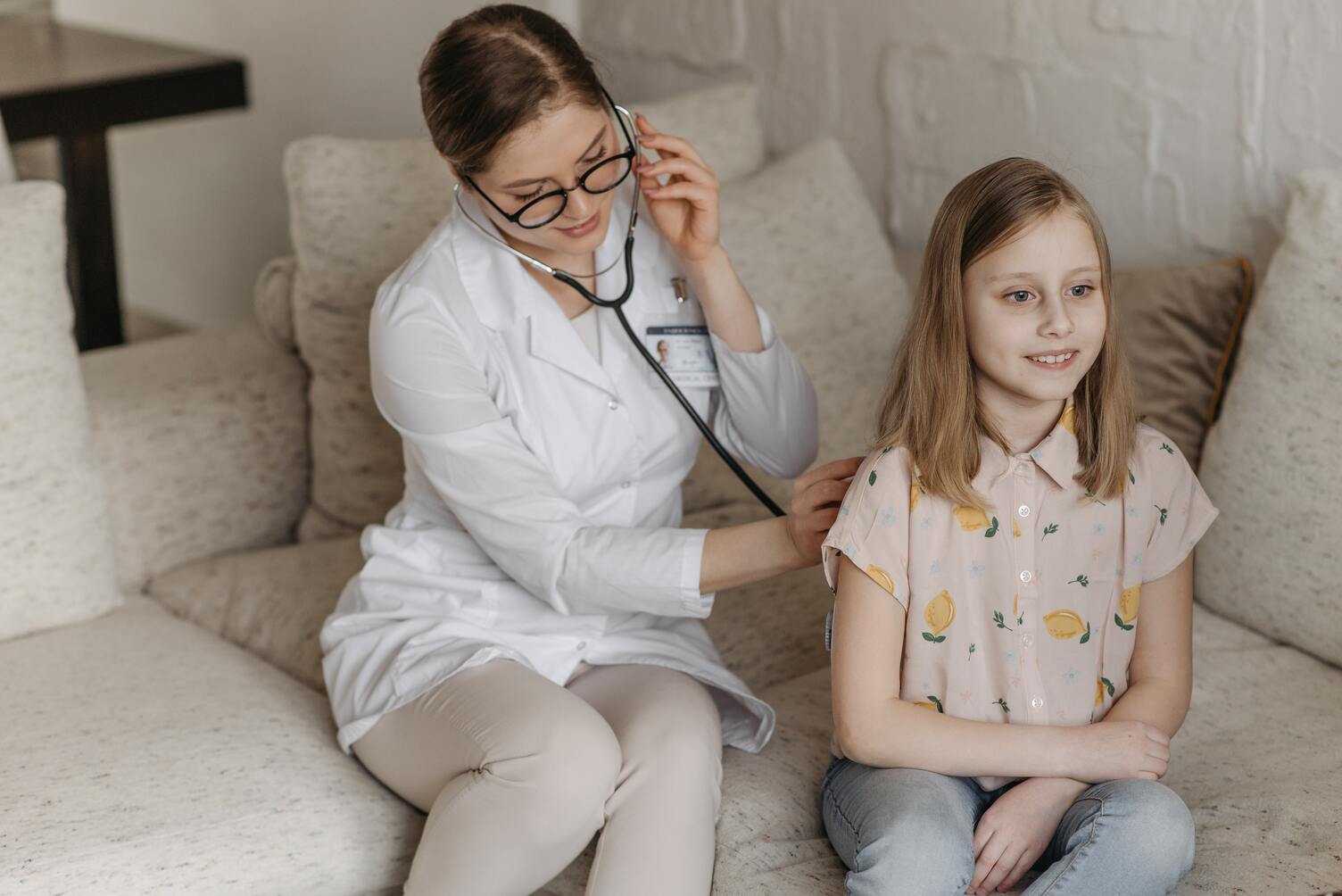
Pediatricians are doctors who take care of children's overall health and can treat ADHD as well.
The special needs pediatrician will take a look at the medical history of your child and perform a diagnosis. If your child is between 4 to 5 years of age proper medications will be prescribed. If they are 6 to 12 years, the doctor will provide behavioral support and medication.
Often other medical conditions tag along with ADHD, so your pediatrician will also test your kid for anxiety, dyslexia, and depression.
Your pediatrician will follow up with your child. They are experts in managing the health of children and know how to improve your child's condition.
The advanced training and frequent conferences make them well-versed in their field.
Know that ADHD can be a lifelong problem bringing various challenges at different times. You and your child need to meet your doctor so that you can overcome those challenges.