A cosmetic dental bonding procedure can improve the aesthetics of your cracked, discoloured or chipped teeth. Having damaged teeth affects your smile negatively – it can also affect your self-confidence and prevent you from smiling. However, with teeth bonding, you can restore your smile.
Tooth bonding is a common dental procedure that involves applying tooth-coloured composite resin to a tooth to repair an imperfection. This dental procedure is a cost-effective option for restoring teeth; it is cheaper than other cosmetic dental procedures like veneers, bridges, and crowns.
If you’re considering teeth bonding, here are things you should know about the procedure, including its costs and risks.
What is teeth bonding, and its procedure?
Teeth bonding is a simple procedure compared to other cosmetic dental procedures. It usually requires no anaesthetic, except you want to fill a cavity or treat a decayed tooth before the bonding, and you need only one visit for tooth bonding.
A tooth bonding process starts with the dentist using a shade guide to choose a composite resin colour that similar matches your natural teeth shade. After choosing the perfect composite resin material, the dentist will roughen the surface of the damaged tooth and apply an adhesive liquid that helps the bonding material stick to the teeth.
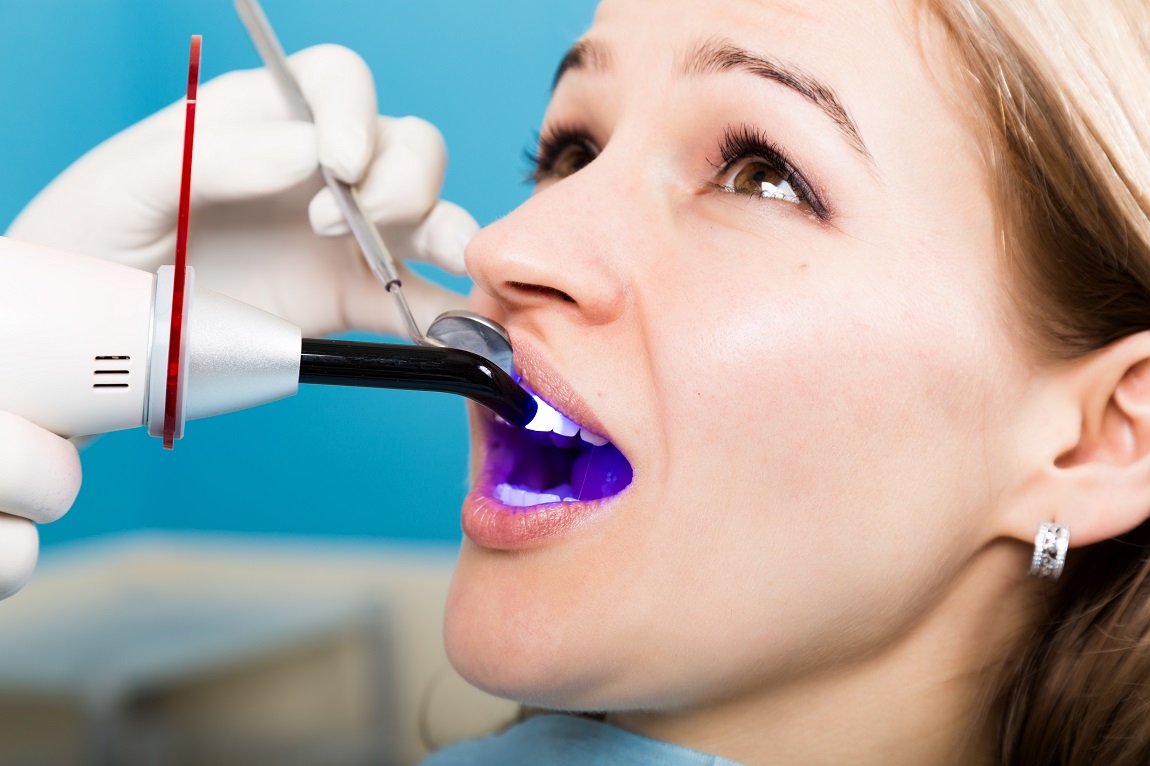
Your dentist will apply the composite resin material over the adhesive material, mould it on the teeth, and harden the composite material using ultraviolet light. The dentist may further shape the tooth after the resin material hardens to ensure you have a natural-looking result.
Why do you need teeth bonding?
Tooth bonding is a perfect solution for fixing different tooth imperfections. Some people get a tooth bonding to repair their discoloured, decayed or cracked tooth. It also helps in closing minor gaps between the teeth.
You can undergo a tooth bonding procedure to increase the size of a tooth or make a tooth have the same length as other teeth.
Tooth bonding takes about 30 – 60 minutes and requires no downtime or anaesthetic. However, some bonding appointments may last longer, depending on the bonding procedure. After the teeth bonding process, you can resume your regular activities, and you may not have to avoid certain foods.
What are the risks of teeth bonding?
Teeth bonding has no major risks. However, the composite resin material bonded to the teeth is not as strong as the natural teeth. The composite material may separate from your natural teeth or chip, which is not common in fillings, crowns or veneers.
Your bonded teeth may chip if you chew in pencils or pens, bite down on hard foods, eat ice or bite your fingernails.
The composite resin material may also get stained because it is not as stain-resistant as other dental material. This means you’ll likely have discoloured teeth if you smoke, drink tea and coffee, or take other stain-causing foods.
How much is teeth bonding?
Teeth bonding cost varies, depending on certain factors, such as the dentist’s expertise, location and the amount of bonding required. On average, it costs between £200 - £400 to bond a tooth. Ensure you check if your dental insurance provider covers the cost of teeth bonding before scheduling an appointment. Some insurance companies do not cover teeth bonding because it is a cosmetic dental procedure.
How to prepare for teeth bonding
The tooth bonding procedure does not require special preparation, but you need to consult your dentist to check if you are suitable for teeth bonding. Teeth bonding may not be the best solution for severely decayed or damaged teeth, so you may have to get crowns or veneers.
Caring for your bonded teeth
Caring for your bonded teeth properly helps increase their lifespan. Some care tips for bonded teeth include:
- Brush your teeth a minimum of two times daily and floss every day
- Schedule regular dental check-ups and cleanings
- Avoid tea, coffee and tobacco for the first 48 hours after a tooth bonding procedure to prevent stains
- Avoid hard candy and food
- Avoid biting your fingernails
If you accidentally break or chip your bonded teeth or feel some rough or sharp edges, visit your dentist to repair them.
You shouldn’t let your damaged or discoloured teeth negatively impact your self-confidence or prevent you from smiling. Get a composite bonding treatment in London today at Cosmetic Dentistry Clinic to restore your teeth and enhance your teeth appearance.