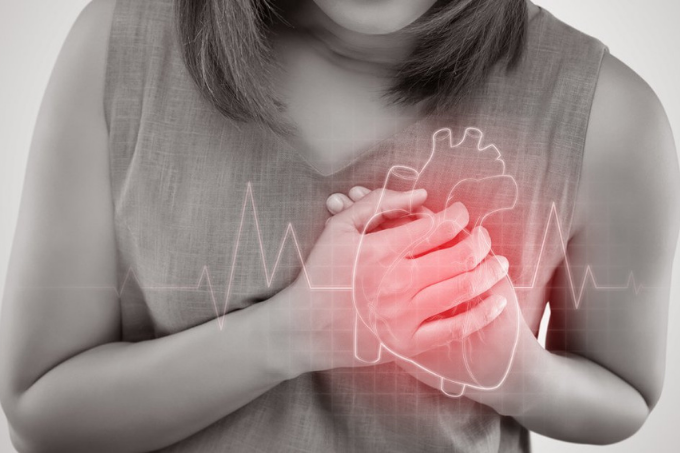
Chest pain is a common symptom caused by different symptoms ranging from benign and mild to severe conditions. Although your chest pain may be due to an issue that shouldn’t cause concern, you still need to seek medical attention.
Chest pain is also one of the five alarming symptoms that indicate a life-threatening condition that requires immediate attention. It is important to know when your chest pain results from a mild condition and when it is not because a wrong decision may be detrimental to your health, leading to permanent damage or even death.
What does chest pain mean?
Chest pain results from several medical conditions. While some are minor, others are serious and life-threatening. The symptoms of chest pain also vary between persons and conditions, so there are no specific rules to ascertain the right time to seek emergency medical care.
In some cases, minor chest pain may indicate coronary artery disease (CAD). About 30% of heart attacks cause minor symptoms that most people do not recognise. This type of heart attack is called a silent heart attack.
How to make a decision?
Although no specific rules are available to identify heart attacks that need emergency care, some general guidelines can help you decide when your chest pain is serious. However, note that these are only guidelines, and it may be best to overlook the rule in certain cases to preserve your health.
Signs indicating that chest pain results from a serious condition
Your chest pain may result froma life-threatening condition and requires immediate medical care in the following situations.
- You are above 40 years old and have one or more CAD risk factors such as smoking, increased cholesterol level, obesity, and a family history of diabetes.
- You have a family history of developing early heart conditions or disease
- The chest pain occurs with shortness of breath, dizziness, fainting, sweating, weakness or nausea.
- The pain occurs with a crushing sensation, heaviness, or tightness of the chest
- The pain is more severe than previous experiences
- The pain occurs from your arms, jaw or shoulders
- The pain worsens over the first 10 – 15 minutes
- The pain is intense and severe
Less serious signs
Chest pain may indicate a less serious condition in the following situations
- The pain occurs when you carry out a specific body movement
- The pain occurs for a moment with no other symptoms
- You have had the same pain in the past, and a medical exam ruled out a cardiac disorder
When to make an emergency call
If you experience symptoms that indicate your chest pain is a medical emergency, ensure you seek emergency medical care. However, in some cases, mild chest pain may indicate a serious condition.
If the chest pain you experience is unusual or affects your normal activities, contact your nearest heart hospital in London to check it out. If the pain is benign, you may still need to consult your doctor to know more about your symptoms.
Evaluating chest pain
If you need emergency medical care for your chest pain, it may be best to contact 999 to be taken to the nearby emergency room. The responding paramedics can perform a rapid baseline evaluation to stabilise your condition before getting to the emergency room.
When you are with the doctor, they will carry out an evaluation to determine if the chest pain you are experiencing is chronic or acute. Chronic chest pain occurs over a long period, while acute chest pain is sudden and rapid.
Acute onset of chest pain symptoms
If your doctor is evaluatingthe onset of acute chest pain, the doctor will do the following.
- Take your brief medical history
- Perform a physical exam
- Perform an Echocardiogram (ECG) test
- Order a blood test to measure your cardiac enzymes
The evaluation will help determine if your condition is a cardiac emergency. If your doctor is still in doubt about the severity of your condition, you will need further testing, depending on the most likely medical condition the doctor suspects.
In an emergency, the healthcare professional will perform an evaluation to rule out the most life-threatening conditions, such as acute coronary syndrome (ACS) with or without a heart attack.
The doctor will also diagnose unstable angina because it requires quick and extensive treatment to prevent permanent cardiac damage. If the doctor suspects ACS, you may be admitted into an intensive care unit for medical treatment.
Your doctor may recommend other tests and investigations such as cardiac catheterisation, computerised tomography (CT) scan, ECG or thallium scan to arrive at an accurate diagnosis.
If the doctor at the emergency room rules out a life-threatening condition, they will make a presumptive diagnosis before referring you to your doctor for further evaluation and treatment.
Chronic, recurrent or non-acute symptoms
If you have experienced chest pain in the past, the doctor will consider an evaluation for angina. Angina results from typical CAD, but in some cases, it is due to a less prevalent cardiac condition like cardiac syndrome x or coronary artery spasm.
Depending on the diagnosis, you may need to consult a cardiologist for a comprehensive evaluation.
If the doctor suspects other causes of chest pain besides angina, they will carry out an accurate diagnosis to begin treatment. Depending on the suspected cause of your chest pain, the doctor may carry out pulmonary function tests, x-rays, GI and other important tests.
Conclusion
If you experience chest pain, the first thing is to ensure it will not lead to permanent cardiovascular damage or death. You can do this by seeking emergency care and consulting your doctor to evaluateyour condition to check if it is a life-threatening condition. Depending on the outcome of your evaluation, your doctor will recommend the necessary treatment or further medical investigations.
You can get an echo scan for chest pain and other necessary tests at One Heart Clinic. Call 0203 9838 001 now to book an appointment with a cardiologist to get medical care for your chest pain.