Segmentation is the first stage of the STP process (segmentation, targeting, positioning) and is arguably the most challenging, but insightful of all marketing tasks. This article only covers the process at a high level and further reading should be done to build your knowledge. To help get you on your way, we have broken the process down into 4 steps, detailed below; but first, let’s define market segmentation:

Segmentation is the way toward gathering markets that have comparable attributes, needs and buying styles.
Note: Markets can be your target consumers, customers, businesses, individuals, groups or a mixture of these.
Let’s go through the 4 steps:
1.Define your market(s)
For each market you are in, answer the following questions:
- What is the market about?
- What is that market’s need?
Note: You need an away from of limits for each market; for example, geographic territory. Your markets should be broad, yet specific as there could be a number of ways in which to satisfy your audience's needs (not just yours).
Example:
Market- Global Communication devices
Need- to communicate with friends, family and colleagues
2.Map your market(s)

Who are your suppliers, distributors, retailers, contractors and final users? Map them out so that you can see the distribution chain, including where the stock is split and what percentage of the buying decisions are made, and where.
3.Understand your audience(s)

Map out the points your audience comes in contact with your business during the buying process. This will help you understand the touchpoints, as different audiences will come into the buying process at different stages, which means you will need to tailor your messaging accordingly.
Create a matrix on what is bought, where, when, how and by who. This will create micro-segments, helping you understand how your audiences think and what their buying styles are. You will end up with 10’s of micro-segments, but it is worth the effort.
Make a list, splitting out the influencers and decision-makers in your market’s buying process. They will need different messages as the influencers may put your product/service in front of the decision-makers, so you will need to understand this.
4.Form your segments (B2B, B2C, Both)
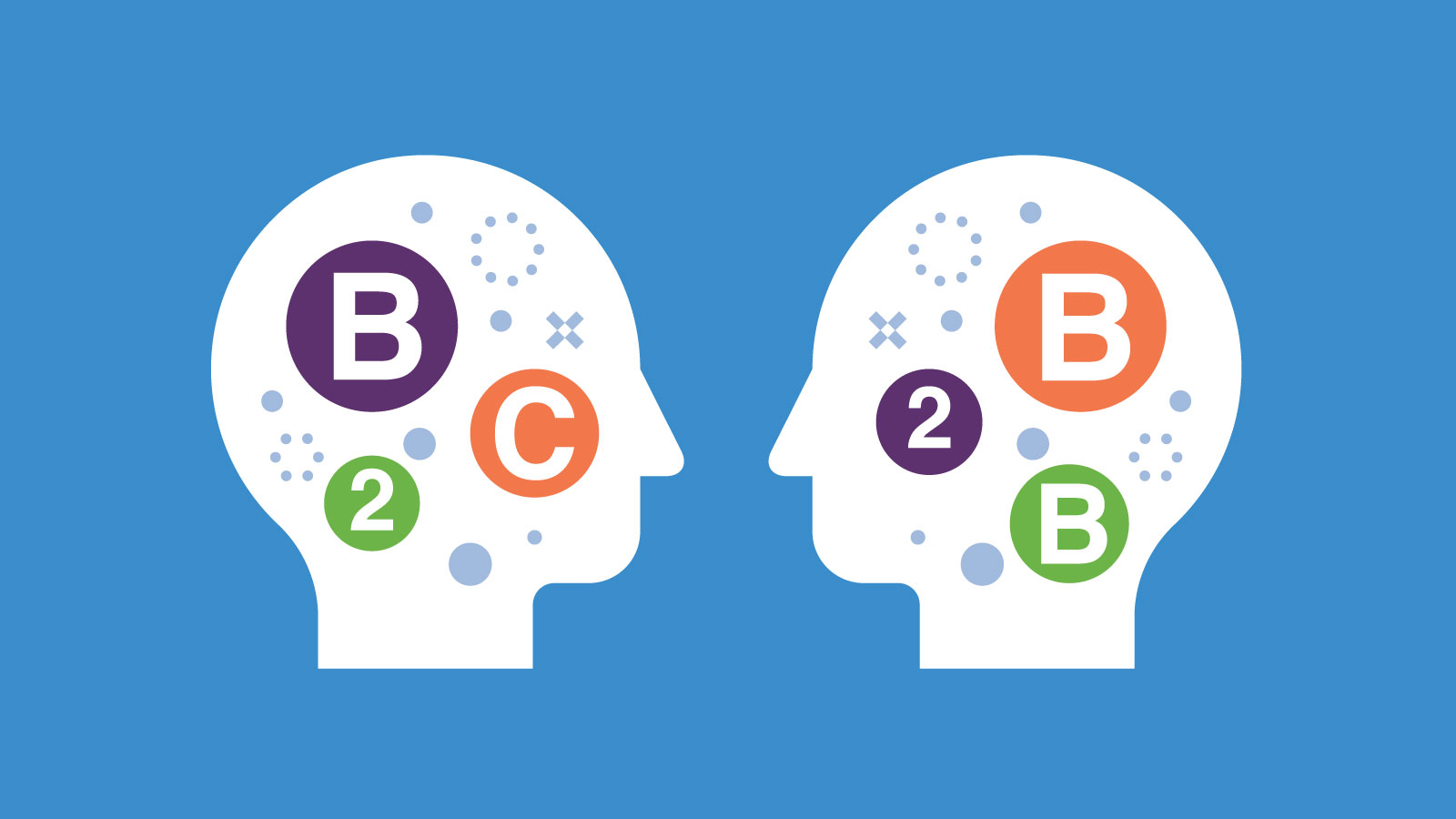
For segmenting consumers, group your decision-makers and influencers appropriately; this could be by demographic, geographic, psychographic and behaviouristic characteristics.
For segmenting businesses, group your target businesses appropriately; this could be by Sector, Private, Public, Size, Location and Company age
How do you know if you have created accurate segments?
Your segments should be:
1. Measurable
2. Accessible
3. Substantial
4. Unique
5. Appropriate
6. Stable
We would recommend further reading into the segmentation process, which could include reading around consumer grouping e.g. demographics
Market segmentation can form part of your Marketing Audit, so to help you out we have created a Marketing Audit template, which includes a segmentation section.
Good luck; it’s worth the effort as your targeting will become much clearer.