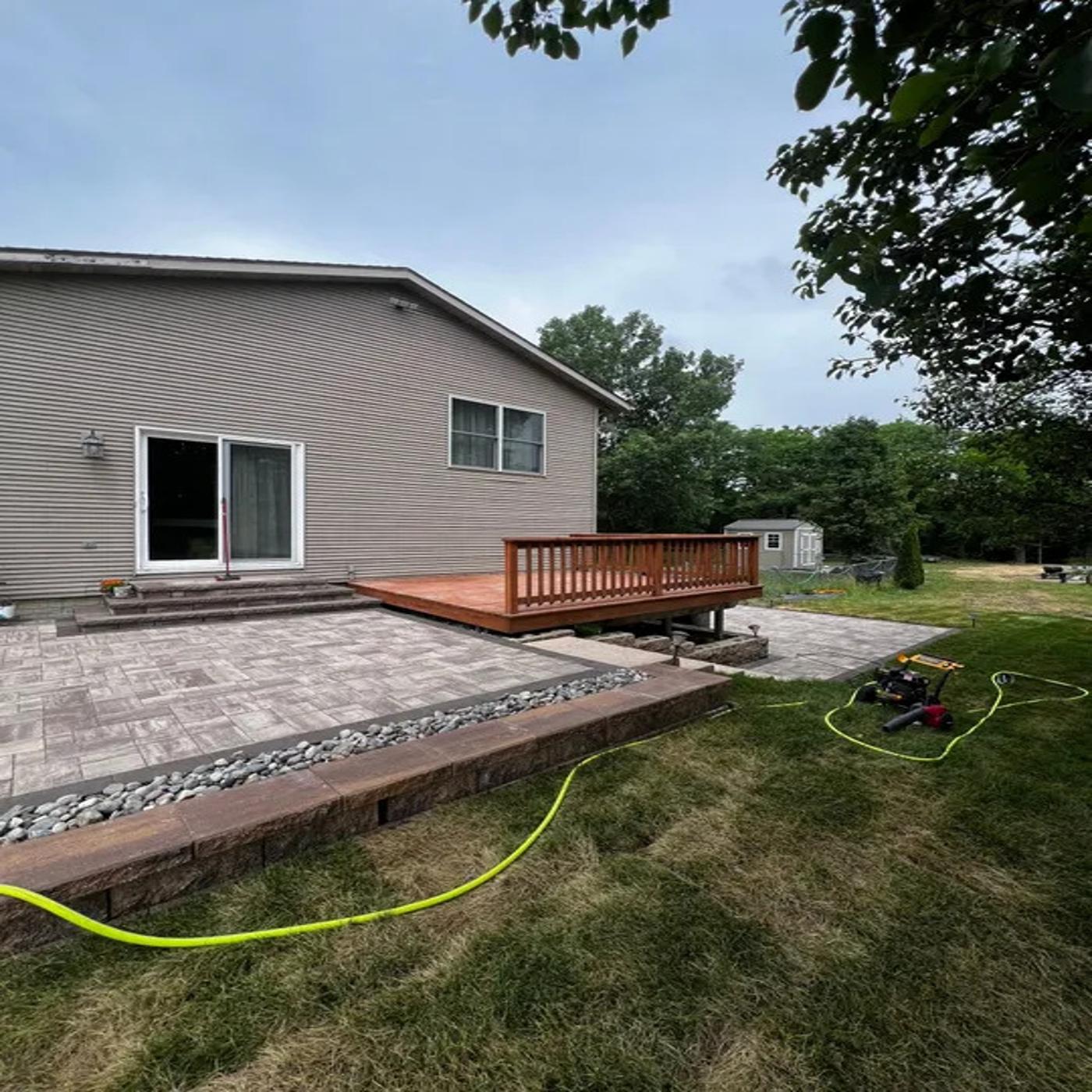
The lighting in our homes and gardens does far more than just help us see in the dark; it profoundly influences our biology. The human body operates on a circadian rhythm—an internal, 24-hour clock dictated primarily by the cycle of the sun. The intense, blue-rich light of midday tells our brains to be alert and active, while the warm, amber light of sunset triggers the release of melatonin, preparing the body for restorative sleep. Unfortunately, much of the cheap, glaring LED lighting used in suburban gardens completely disrupts this delicate biological process. To create a truly restorative evening sanctuary, we must apply the principles of Human-Centric Lighting (HCL) to our Outdoor Lighting in Iowa. By meticulously controlling colour temperature and intensity, we can design an exterior environment that actively supports, rather than sabotages, your family's health, mood, and sleep quality.
The Biological Disruption of 'Cool White' LEDs
The most common mistake in outdoor lighting is the use of 'cool white' or 'daylight' LED bulbs (typically rated above 4000 Kelvin). While these bulbs appear exceptionally bright and are often marketed for 'security', their spectral output is heavily skewed towards the blue end of the light spectrum. When we expose ourselves to this harsh, blue-rich light in the evening—whether sitting on the patio or simply having it blast through the living room windows from a security floodlight—we are essentially tricking our brains into believing it is high noon. This exposure severely suppresses the natural production of melatonin, leaving us feeling wired, anxious, and unable to achieve deep, restful sleep when we finally go to bed.
Embracing the Amber Glow of the Evening
To support our natural circadian rhythms, the lighting design for evening relaxation areas must strictly mimic the warm, soothing tones of a sunset or a campfire. We mandate the exclusive use of very warm colour temperatures for all ambient and aesthetic landscape lighting, typically specifying LEDs rated at 2700 Kelvin or even a warmer 2200 Kelvin. This light spectrum is rich in amber and red tones, with virtually zero disruptive blue light. When the patio and surrounding garden are washed in this soft, golden glow, it signals to the nervous system that the day is over. It naturally induces a state of physical relaxation and mental calm, perfectly preparing the body for a transition into the evening and supporting healthy, restorative sleep patterns.
The Importance of 'Dim to Warm' Technology
The intensity of the light is just as important as the colour temperature. A bright light, even if it is warm in tone, can still be overly stimulating if it is too intense. A human-centric design must be highly adaptable. We achieve this by integrating advanced 'Dim to Warm' LED technology, controlled by a central smart system. Unlike standard LEDs, which maintain the exact same colour temperature as they are dimmed (often looking grey and artificial at low levels), 'Dim to Warm' fixtures actually change their spectral output as the intensity is lowered. As you dim the patio lights later in the evening, the light physically becomes warmer and more amber, perfectly replicating the natural, fading glow of the sun dropping below the horizon.
Strategic Placement to Prevent Glare
A crucial element of human-centric design is ensuring the light source itself is never directly visible to the eye. Glare—the harsh, blinding light that occurs when you look directly into a bulb—causes immediate visual discomfort, pupil constriction, and spikes in stress hormones. We must engineer the hardscape to hide the fixtures. We utilize deeply recessed step lights, install downward-facing linear LEDs completely concealed beneath the lip of the seating walls, and ensure all pathway lights are fully capped and shielded. By focusing entirely on 'indirect illumination'—where you see the beautiful wash of light on the stone or the plants, but never the bulb itself—we create an incredibly soft, visually comfortable environment that encourages profound relaxation.
Conclusion
Your outdoor lighting should be a tool for relaxation, not a source of biological stress. By rejecting harsh, blue-spectrum LEDs, embracing warm, amber colour temperatures, utilising 'Dim to Warm' technology, and meticulously eliminating visual glare, we create an environment perfectly aligned with human biology. Human-Centric Lighting design transforms your garden into a deeply restorative sanctuary that actively promotes a calm mood and superior sleep quality.
Call to Action
Enhance your family's well-being and sleep quality with a biologically supportive lighting design. Contact our human-centric lighting specialists today to create a deeply restorative evening sanctuary.
Visit: https://www.larklandscape.com/