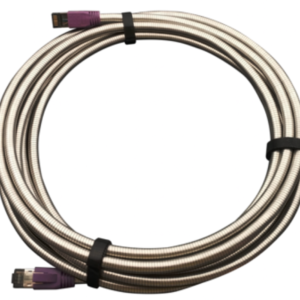
Most people think network failures start with software issues, equipment problems, or signal loss. Yet many expensive outages begin with something much smaller. Hidden movement inside ceilings, wall cavities, raised floors, underground ducts, and utility tunnels can quietly damage critical communication lines before anyone notices. This problem has become more serious as infrastructure expands across industrial sites, transportation systems, data facilities, and outdoor environments. That is one reason many organizations now install armored anti-rodent fiber optic cable during project planning rather than waiting for failures later. Cable protection has shifted from an optional feature to a serious infrastructure decision.
The Silent Network Attack Happening Behind Your Walls
Rodent damage creates a different type of threat because it rarely appears in plain sight. Unlike equipment failures that create visible warning signs, cable damage caused by chewing activity often develops slowly over time.
Small animals naturally chew materials around them. Underground pathways, utility areas, warehouses, and storage facilities can create active movement zones. Fiber cables placed in these spaces may face repeated exposure.
The first damage layer often goes unnoticed.
Outer jackets begin wearing down. Internal protection becomes weaker. Sensitive fiber pathways then become exposed to physical risk.
The dangerous part is simple. Network performance may appear normal at first. Problems often become visible only after communication interruptions begin. Teams may continue operating normally for days or weeks before signal problems become visible.
A small activity can create major consequences.
Many facilities focus heavily on cameras, monitoring systems, and software tools, while hidden cable pathways receive less attention. The challenge is not always seeing the threat. The challenge is understanding where it develops.
Rodents do not follow installation plans. They move through available spaces without warning. Areas behind walls and beneath flooring often become unnoticed pathways.
Why One Bite Can Turn Into a Five-Figure Problem
Many people picture cable replacement as a simple repair process.
Real infrastructure work tells a different story.
A damaged fiber section can trigger troubleshooting procedures, technician dispatches, signal testing, route tracing, labor costs, and operational delays. The cable itself may become the smallest expense in the entire event.
Imagine a communication route placed underground beneath equipment areas or long facility pathways. Accessing one damaged point may require significant work before repairs even begin.
This explains why protection planning matters early.
Armored cable structures create reinforced barriers designed to protect internal components against physical threats. The goal extends beyond cable strength alone.
The real purpose is to prevent operational disruption.
Financial impact often extends far beyond hardware costs. Teams may pause projects. Scheduled work may stop. Critical operations may slow down while repairs take place. Time loss often becomes more expensive than material replacement.
Infrastructure decisions made during planning stages can reduce these future risks.
The Underground Problem Most Installations Ignore
Many cable discussions focus on bandwidth, signal quality, and connector performance.
Physical route conditions often receive less attention.
Underground pathways create one of the most demanding environments for fiber systems. These routes contain movement, moisture exposure, maintenance activity, and external pressure. Hidden spaces also create ideal movement areas for rodents.
Standard cable structures may perform well inside controlled environments.
Outdoor and underground conditions create different demands.
Armored protection supports stronger structural defense around fiber pathways. This creates support for installations operating in difficult environments where exposure risks remain higher.
Infrastructure planning works best after accounting for real surroundings.
Many installation teams now inspect pathways before deployment starts. Understanding the environment around a cable route often helps prevent future problems. A strong cable inside the wrong location can still face challenges if outside conditions are ignored.
Why Reactive Repairs Keep Draining Network Budgets
Many organizations replace damaged cable sections only after problems appear.
This cycle repeats itself.
Failure happens. Teams inspect routes. Repairs begin. Costs return.
Reactive planning often creates repeating expenses because root causes remain unchanged. A strong infrastructure strategy focuses on reducing future exposure rather than repeatedly solving the same issue.
Anti-rodent protection supports a prevention-first approach.
The strongest network design is often the one users never think about because problems never appear.
Silent reliability creates long-term value.
Organizations increasingly shift from emergency repair thinking toward long-term planning strategies. Prevention-based infrastructure planning often supports stronger reliability and lower operational disruption across communication systems.
Wrap Up:
Network damage does not always begin with major technical failures. Small hidden threats can create high operational costs. Armored anti-rodent cable solutions support stronger infrastructure protection by reducing exposure to physical risks that many installations overlook. Connectivity planning often extends into multiple performance areas. Teams building complete communication environments may also shop for HDMI &DisplayPort gaming cables for stable visual transmission and dependable signal support.
Want fewer disruptions and stronger long-term protection? Review your cable strategy before installation begins and choose solutions designed for real-world conditions.