Vision correction has entered a new era. Patients in 2026 have access to more treatment options than ever before, allowing them to choose solutions that fit their lifestyle, eye health, and long-term visual goals.
While glasses and contact lenses remain common, many individuals are exploring surgical alternatives that offer lasting improvements in vision.
Among the most discussed options today are LASIK, PRK, and adjustable lens technologies. Each procedure has unique advantages, and the right choice often depends on a patient's age, prescription, eye structure, and expectations.
Understanding how these treatments compare can help patients make informed decisions and take advantage of the latest developments in modern eye care.
The Growing Demand for Personalized Vision Correction
Today's patients expect more than basic vision improvement. They want personalized treatment plans, predictable outcomes, and solutions that support their daily activities.
Advances in diagnostic technology now allow surgeons to evaluate the eye with remarkable precision. Detailed measurements help determine which procedure is most appropriate for each individual.
Many people researching vision correction options available in Barrie and other growing eye care markets are discovering that personalized treatment has become a major focus within the industry.
Rather than recommending the same procedure for every patient, modern clinics evaluate a wide range of factors before creating a treatment plan.
This patient-centered approach has significantly improved both outcomes and satisfaction.
Understanding LASIK
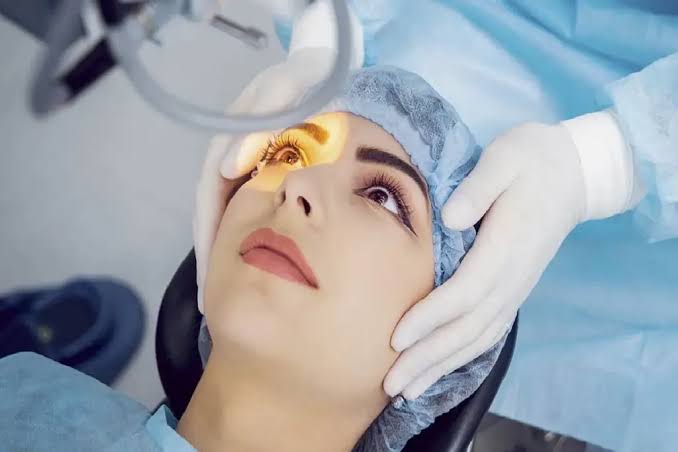
LASIK remains one of the most popular vision correction procedures in the world. The treatment uses advanced laser technology to reshape the cornea and improve how light focuses on the retina.
One reason LASIK continues to attract patients is its relatively fast recovery. Many individuals notice substantial visual improvement within the first day after surgery. The procedure is also highly effective for correcting nearsightedness, farsightedness, and astigmatism.
Modern LASIK systems include sophisticated eye-tracking technology and personalized treatment planning, which help improve precision and safety.
For suitable candidates, LASIK continues to be a highly effective solution for reducing dependence on glasses and contact lenses.
Why PRK Remains Relevant?
Although LASIK receives significant attention, PRK continues to play an important role in modern vision correction. PRK, or photorefractive keratectomy, was one of the earliest laser vision correction procedures and remains a valuable option for many patients.
Unlike LASIK, PRK does not involve creating a corneal flap. Instead, the outer layer of the cornea is gently removed before laser treatment is performed.
Many patients are interested in the benefits of flap-free PRK vision correction because the procedure may be suitable for individuals with thinner corneas, certain occupations, or specific lifestyle needs.
While recovery generally takes longer than LASIK, PRK can provide excellent long-term results. For some patients, it may be the preferred option based on their unique eye characteristics.
The Emergence of Adjustable Lens Technology
One of the most exciting developments in vision correction is the rise of adjustable lens technologies.
These innovations are changing how surgeons approach cataract surgery and lens-based vision correction procedures.
Traditional lens implants require decisions to be made before surgery. Adjustable lenses offer a different experience by allowing refinements after the procedure.
Patients can evaluate their vision and work with their surgeon to optimize results before finalizing the correction.
This added flexibility has generated significant interest among patients seeking highly personalized outcomes.
Adjustable lens systems provide opportunities that were not available with earlier generations of lens implants.
As awareness grows, more individuals are exploring these advanced options as part of their vision correction journey.
Comparing Recovery Experiences
Recovery is an important consideration when choosing a vision correction procedure.
LASIK is known for rapid visual improvement, often allowing patients to return to many normal activities within a short period. PRK generally requires a longer healing process because the surface layer of the cornea must regenerate.
Lens-based procedures vary depending on the specific treatment, but many patients experience meaningful visual improvement relatively quickly after surgery.
The recovery experience can also be influenced by age, overall eye health, and adherence to post-operative instructions.
A comprehensive consultation helps patients understand what to expect based on their individual circumstances.
How Technology Is Expanding Patient Choices?
The vision correction landscape continues to evolve as technology advances. Sophisticated imaging systems, improved laser platforms, and innovative lens designs are expanding treatment possibilities.
Many experts now discuss how vision correction is evolving beyond LASIK as newer technologies create additional pathways for achieving clear vision. While LASIK remains an excellent option for many patients, it is no longer the only advanced solution available.
Patients can now choose from a broader range of procedures designed to address specific visual goals and eye health considerations.
This expansion of options is helping more individuals find treatments that align closely with their needs.

Factors to Consider Before Choosing a Procedure
Selecting the right procedure requires careful evaluation. Several factors influence treatment recommendations, including age, prescription stability, corneal thickness, lens health, and lifestyle priorities.
Patients should also consider their expectations. Some individuals prioritize rapid recovery, while others focus on long-term flexibility or reducing dependence on reading glasses.
A thorough eye examination provides essential information for determining candidacy and identifying the most suitable treatment approach.
Working with experienced eye care professionals helps ensure that decisions are based on both clinical evidence and personal goals.
The Future of Vision Correction
Looking ahead, personalization is expected to remain one of the defining trends in eye care. Artificial intelligence, advanced diagnostics, and next-generation treatment technologies may further improve accuracy and predictability.
Researchers continue to explore new ways to customize vision correction and enhance patient experiences. Future innovations may provide even greater flexibility and more precise outcomes.
As technology advances, patients will likely benefit from a growing number of options designed to meet diverse visual needs.
Conclusion
Vision correction in 2026 offers more possibilities than ever before. LASIK, PRK, and adjustable lens technologies each provide unique advantages, allowing patients to choose solutions that fit their lifestyle and eye health requirements.
By understanding the differences between these procedures and working closely with experienced eye care professionals, patients can make confident decisions about their visual future.
As innovation continues to reshape the field, personalized vision correction is becoming increasingly accessible, effective, and patient-focused.