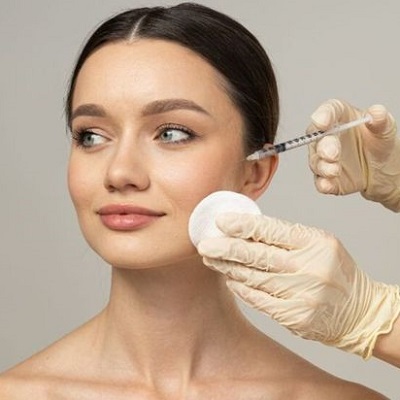
Glutathione Injections have gained significant attention among people interested in wellness, skin health, and antioxidant support. While many individuals associate these injections with cosmetic benefits, nutrition science offers a broader perspective on how glutathione works inside the body. Rather than focusing solely on appearance, researchers and health professionals often examine glutathione for its role in cellular protection, detoxification, immune function, and overall well-being.
As one of the body's most powerful antioxidants, glutathione naturally exists in nearly every cell. It plays an essential role in defending against oxidative stress, supporting liver function, and helping maintain healthy cellular activity. However, factors such as aging, poor nutrition, environmental toxins, stress, and certain health conditions can reduce the body's natural glutathione levels.
Understanding Glutathione Injections through the lens of nutrition science helps readers separate facts from marketing claims. This article explores what glutathione is, how injections work, their potential benefits, nutritional connections, possible risks, and important considerations before choosing this treatment.
What Is Glutathione?
Glutathione is a naturally occurring antioxidant made from three amino acids:
These amino acids combine to form a molecule that protects cells from damage caused by free radicals and oxidative stress. Unlike many antioxidants obtained from food, glutathione is produced inside the body.
Its primary functions include:
Neutralizing harmful free radicals
Supporting liver detoxification
Strengthening immune function
Assisting cellular repair
Recycling other antioxidants such as vitamins C and E
Helping maintain healthy metabolic processes
Nutrition scientists often refer to glutathione as the body's "master antioxidant" because of its broad protective role across multiple organ systems.
Understanding Glutathione Injections
Glutathione Injections deliver glutathione directly into the bloodstream or muscle, allowing the antioxidant to bypass the digestive system. This method may improve its availability compared to oral supplements, which can be partially broken down during digestion.
The primary goal of these injections is to temporarily increase glutathione levels in the body. Depending on individual health needs and professional recommendations, injections may be used as part of broader wellness or supportive care plans.
While many people seek Glutathione Injections for cosmetic reasons, nutrition science highlights that glutathione's biological functions extend far beyond skin-related concerns.
The Nutrition Science Behind Glutathione
Nutrition science focuses on how nutrients influence health at the cellular level. From this perspective, glutathione is an important component of maintaining optimal body function.
Supports Cellular Defense
Every day, cells are exposed to oxidative stress caused by pollution, processed foods, smoking, ultraviolet radiation, and normal metabolism.
Glutathione helps neutralize unstable molecules called free radicals before they damage cells, proteins, and DNA.
This protective action contributes to healthier aging and supports normal cellular function.
Plays a Vital Role in Liver Function
The liver depends heavily on glutathione to help process and eliminate various waste products and environmental toxins.
Adequate glutathione supports the body's natural detoxification pathways, making it one of the most studied antioxidants in liver health research.
Supports Immune Health
Healthy immune cells require sufficient glutathione to function efficiently.
Research suggests that balanced glutathione levels help immune cells communicate effectively and respond appropriately during immune challenges.
Although glutathione is not a cure for illnesses, maintaining healthy antioxidant status may contribute to normal immune function.
Helps Reduce Oxidative Stress
Oxidative stress occurs when free radicals outnumber available antioxidants.
Long-term oxidative stress has been associated with aging and various chronic health conditions.
Nutrition experts recognize glutathione as one of the body's key defense mechanisms against this imbalance.
Potential Benefits of Glutathione Injections
Although research continues to evolve, Glutathione Injections may offer several potential benefits for certain individuals when used under appropriate professional guidance.
Antioxidant Support
The most well-established benefit is enhanced antioxidant protection.
Higher glutathione availability may help the body better defend itself against oxidative damage caused by environmental and lifestyle factors.
Skin Health Support
One of the most commonly discussed uses of Glutathione Injections involves skin appearance.
Some studies suggest glutathione may influence melanin production by shifting pigment formation toward lighter-colored melanin. As a result, some people notice a brighter or more even-looking complexion.
However, results vary significantly between individuals, and current scientific evidence remains mixed regarding long-term cosmetic outcomes.
Energy and Wellness
Some individuals report improved energy levels after receiving Glutathione Injections.
From a nutritional perspective, this may relate to healthier mitochondrial function and reduced oxidative stress rather than acting as a stimulant.
More high-quality research is needed to fully understand this potential benefit.
Recovery Support
Athletes and physically active individuals sometimes explore antioxidant therapies to help manage exercise-related oxidative stress.
Although glutathione participates in recovery processes, injections should not replace balanced nutrition, hydration, adequate sleep, and proper training.
Can Nutrition Naturally Support Glutathione Levels?
Absolutely. Nutrition science emphasizes supporting the body's own glutathione production whenever possible.
Certain foods provide nutrients that help the body produce and recycle glutathione naturally.
Foods rich in sulfur-containing compounds include:
Garlic
Onions
Broccoli
Brussels sprouts
Cabbage
Cauliflower
Protein-rich foods also provide amino acids needed for glutathione synthesis, including:
Eggs
Fish
Lean poultry
Beans
Lentils
Greek yogurt
Other nutrients involved in glutathione production include:
Vitamin C
Selenium
Zinc
Vitamin B6
Folate
A balanced diet rich in colorful fruits, vegetables, lean proteins, whole grains, and healthy fats remains one of the best long-term strategies for maintaining healthy antioxidant levels.
Who May Consider Glutathione Injections?
Interest in Glutathione Injections varies widely depending on personal goals and health circumstances.
Some individuals consider them for:
However, not everyone needs glutathione supplementation.
Nutrition science encourages evaluating overall diet, lifestyle, medical history, and nutritional status before considering injectable therapies.
Professional medical assessment remains important for determining whether this approach is appropriate for a particular individual.
Are There Any Risks or Limitations?
Like any injectable treatment, Glutathione Injections are not completely free from risks.
Possible considerations include:
Injection-site discomfort
Allergic reactions in sensitive individuals
Temporary side effects
Variable effectiveness
Limited long-term research for cosmetic applications
Additionally, glutathione should never be viewed as a substitute for healthy eating, regular exercise, sufficient sleep, hydration, or appropriate medical care.
People with existing medical conditions, those who are pregnant or breastfeeding, or individuals taking prescription medications should seek personalized medical advice before beginning any injectable therapy.
What Does Current Research Say?
Nutrition science continues to explore glutathione's many biological roles.
Current evidence supports its importance as a powerful intracellular antioxidant involved in detoxification, immune regulation, and protection against oxidative stress.
However, research regarding Glutathione Injections for cosmetic skin lightening remains less conclusive.
Some studies report improvements in skin brightness, while others note that results are temporary or inconsistent.
Scientists generally agree that more large-scale, high-quality clinical trials are needed to better understand long-term effectiveness, ideal dosing strategies, and safety across different populations.
Final Thoughts
Looking at Glutathione Injections through the eyes of nutrition science provides a more balanced understanding of their role in health and wellness. Rather than focusing only on cosmetic outcomes, nutrition experts recognize glutathione as one of the body's most valuable antioxidants, supporting cellular defense, liver function, immune health, and protection against oxidative stress.
While injections may be appropriate for some individuals under professional supervision, they should complement—not replace—a healthy lifestyle built on balanced nutrition, regular physical activity, quality sleep, stress management, and proper hydration.
For anyone considering Glutathione Injections, making informed decisions based on scientific evidence and individualized health needs is the best approach toward achieving long-term wellness.
FAQs
1. What are Glutathione Injections used for?
Glutathione Injections are commonly used to increase antioxidant levels in the body. Some people seek them for skin-brightening goals, while others use them as part of wellness or antioxidant support programs.
2. Are Glutathione Injections better than oral supplements?
Because injections bypass the digestive system, they may provide greater immediate availability of glutathathione than oral supplements. However, the most suitable option depends on individual health needs and professional guidance.
3. Can diet naturally increase glutathione levels?
Yes. Eating foods rich in sulfur compounds, quality protein, vitamin C, selenium, and zinc can help support the body's natural glutathione production.
4. Are the results of Glutathione Injections permanent?
No. Any visible or wellness-related effects are generally not permanent. Maintaining results may require ongoing treatment, and outcomes differ from person to person.
5. Are Glutathione Injections safe for everyone?
They are not suitable for everyone. Individuals with certain medical conditions, allergies, those who are pregnant or breastfeeding, or people taking specific medications should consult a qualified healthcare professional before considering treatment.
6. Can Glutathione Injections replace a healthy lifestyle?
No. Glutathione Injections should not replace healthy eating, regular exercise, adequate sleep, hydration, and other healthy habits. They are best viewed as a complementary approach rather than a substitute for overall wellness.
Read More About Glutathione Injections: https://doc.clickup.com/90182406801/d/2kzmmmmh-10978/why-some-people-dont-respondto-glutathione-injections