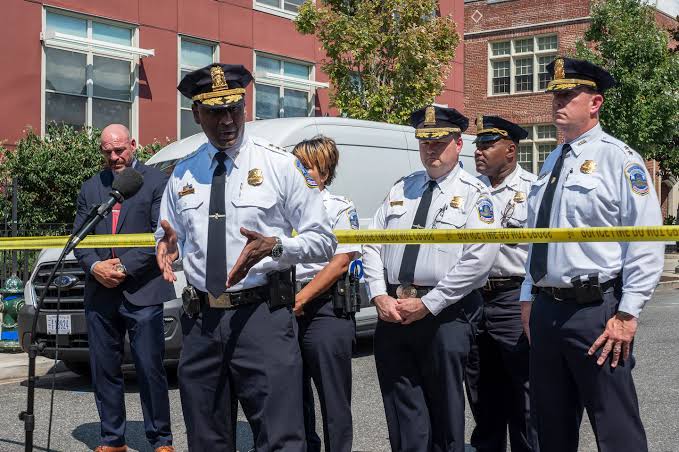
Police leadership is demanding, with chiefs balancing daily operations, officer support, major incidents, public trust, and staffing concerns. The U.S. Department of Justice has also identified recruitment and retention as key challenges for law enforcement agencies. Filling a police chief vacancy therefore requires more than finding an experienced officer.
Communities need leaders who understand local needs, support their teams, work with public officials, and can make sound decisions during difficult situations. The right leader must be ready to manage today’s challenges while preparing the department for tomorrow.
A Police Chief Has to Lead From the Front
A chief is responsible for much more than making decisions from an office. The leader must understand what officers face on the street. This includes calls involving violent crime, mental health emergencies, traffic safety, major events, and other difficult situations.
Strong police executives know how to turn policy into action. They understand staffing, training, investigations, patrol, discipline, budgets, and officer safety.
But today's chief also needs strong management skills. The department must have clear goals and clear expectations. Supervisors need support. Officers need good communication from the top. The chief sets that direction.
Public Trust Is Part of Public Safety
A police department needs the trust and cooperation of the community it serves. Residents report crimes, share information, serve as witnesses, and seek help from officers. The U.S. Department of Justice links public trust with effective policing and stresses fairness, respect, and clear communication.
For a police chief, listening is part of the job. Chiefs may meet residents after a serious incident, explain policies to city leaders, or hear concerns from local groups, businesses, and officers. Clear and calm communication helps build stronger relationships.
The Chief Must Know the Local Government Environment
Police departments do not operate alone. A chief may report to a city manager, mayor, police commission, county leadership, or another governing body. The leader must understand how decisions are made and how police operations fit into the larger public sector.
Budget decisions are a good example. A chief may need more officers, updated equipment, new training, or technology. But every request must fit within the agency's financial limits and local priorities. The ability to explain needs, provide sound reasoning, and work with decision-makers is a major part of the job.
Officer Leadership Matters Too
A chief cannot build a strong department without building strong leaders within it. Future chiefs, deputy chiefs, commanders, and supervisors need opportunities to develop their skills. They also need honest feedback and practical leadership experience.
The Department of Justice's policing resources recognize the value of fair treatment inside police organizations. When officers feel they are treated fairly and with respect, those same principles can shape how they interact with the public.
Leadership development can therefore improve the department from the inside out. It can also help create a stronger pipeline of future police executives.
Experience Must Match the Department's Needs
There is no single type of police chief who fits every American community. A large city may need a chief who has managed a major department with complex operations. A smaller city may need a leader who can work closely with residents and manage limited resources.
A college or university police department may have different needs. So may a transportation agency or another public safety organization. This is why a strong executive search begins with understanding the organization.
The search should examine the department's current challenges, leadership structure, community expectations, and future goals. It should then identify candidates who can meet those needs.
A Strong Search Goes Beyond Applications
A traditional hiring process often focuses on résumés and interviews. Police executive recruitment needs a wider view. A strong police chief executive search may include community input, stakeholder interviews, surveys, candidate outreach, background review, and leadership assessments.
These steps help public agencies understand both the candidates and local needs. They also matter when candidates come from different cities or states.
Effective recruitment requires access to a broad pool of qualified police leaders. It also takes recruiters who understand police operations and command roles. This helps agencies assess real leadership experience, not simply titles listed on a résumé.
The Right Chief Can Shape the Department's Future
Choosing a police chief is a major decision for any community. The right leader must protect public safety, support officers, manage resources, work with local officials, and build public trust. A police chief vacancy is more than an open position. It is an opportunity to set the department’s direction for years ahead.
Strong police executive recruitment focuses on finding a leader with real command experience, sound judgment, and clear communication skills. Most importantly, the right chief must understand American policing and lead the department while keeping its central duty clear: serving and protecting the community.