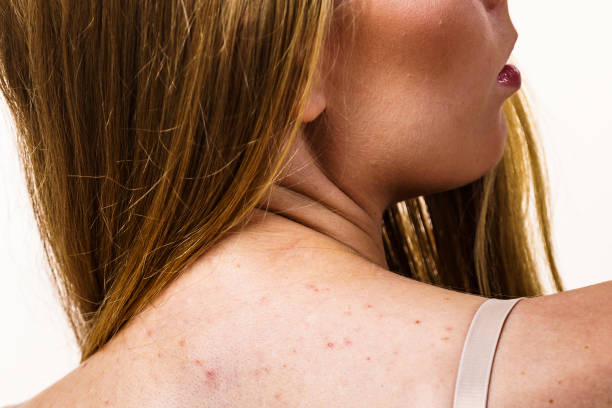
You have tried the washes, the sprays, and the exfoliating gloves. Maybe things improved for a while, then stalled. Or perhaps nothing changed at all. How to Treat Back Acne and Its Effects? When over-the-counter care fails to clear back acne, it is not a sign that you have done something wrong—it is a signal that your skin needs a different level of intervention. This guide explains why standard products stop working and what to do next.
Why Over-the-Counter Care Sometimes Fails
OTC products work well for mild, surface-level congestion. They cannot address deeper inflammation, hormonal drivers, or cystic lesions.
When acne involves nodules, cysts, or persistent inflammation, topical washes alone rarely resolve it.
Recognising the Limits of Self-Treatment
If you have used acne washes consistently for eight to twelve weeks without meaningful improvement, self-treatment has reached its limit.
The same applies if breakouts are painful, deep, or leaving marks. These signs indicate the need for professional assessment.
Understanding What Prescription Treatment Offers
Prescription treatments work through stronger mechanisms. They may include topical retinoids, oral antibiotics, or hormonal therapies.
These options target inflammation, bacterial overgrowth, and oil production more effectively than OTC products.
Topical Prescription Options
Retinoids such as tretinoin or adapalene normalize cell turnover and prevent pore blockage.
Combination creams may include benzoyl peroxide with antibiotics to reduce bacteria and inflammation simultaneously.
Oral Treatment Options
Oral antibiotics reduce bacterial load and inflammation. They are typically used for moderate to severe cases and for limited durations.
Hormonal treatments may be prescribed for women whose acne follows a cyclical pattern.
When Isotretinoin Is Considered
Isotretinoin is reserved for severe, nodular, or treatment-resistant acne. It significantly reduces oil production and is highly effective.
Because it carries side effects, it requires medical supervision and monitoring.
Professional In-Office Treatments
Chemical peels, laser therapy, and drainage of large cysts may be performed professionally.
These treatments complement prescription care and can accelerate results.
The Importance of Consistency
Prescription treatments take time. Improvement typically appears within four to eight weeks, with continued progress over months.
Stopping early prevents full results. Consistency is essential.
Managing Side Effects
Prescription treatments can cause dryness, peeling, or sensitivity. Gentle cleansing and moisturizing help manage these effects.
Always follow your practitioner's instructions and report concerning symptoms.
Lifestyle Factors That Support Treatment
Shower immediately after sweating. Wear loose, breathable fabrics.
Avoid picking or squeezing lesions. Change sheets and towels frequently.
Tracking Progress Objectively
Photograph your back monthly under consistent lighting. This reveals gradual change that daily observation misses.
Bring these photos to follow-up appointments.
When to Escalate Further
If prescription treatment fails after an adequate trial, reassessment is warranted.
Alternative diagnoses or additional treatments may be needed.
Preventing Recurrence After Clearing
Once skin clears, maintenance matters. Continue appropriate skincare and follow-up.
Without maintenance, breakouts often return.
For those seeking expert guidance and customized aesthetic care, you can book an appointment consultation at the Enfield Royal Riyadh.
FAQs
Why did my acne wash stop working?
OTC products cannot address deep inflammation, cysts, or hormonal drivers.
When should I see a professional?
If OTC care fails after eight to twelve weeks or acne is painful and deep.
What treatments work when OTC fails?
Prescription retinoids, oral antibiotics, hormonal therapies, and isotretinoin.
How long do prescription treatments take?
Improvement appears within four to eight weeks; full results take months.
Can back acne return after treatment?
Yes, maintenance is essential to prevent recurrence.
Final Thoughts
When over-the-counter care fails, it does not mean your back acne is untreatable—it means you need a different approach. Prescription treatments, professional in-office care, and consistent lifestyle habits can resolve even stubborn cases. The key is recognising when self-treatment has reached its limit and seeking appropriate help. Clearer skin is achievable with the right plan.