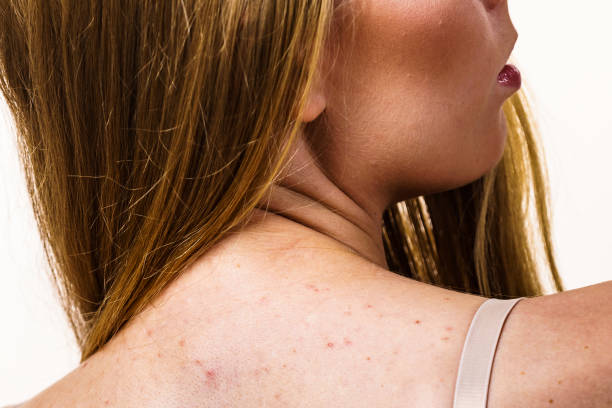
There is a natural instinct to attack back acne with the strongest products available. If a little salicylic acid helps, surely a higher concentration works faster. If benzoyl peroxide dries out blemishes, more must be better. This logic feels reasonable but backfires consistently. How to Treat Back Acne(كيفية علاج حب الشباب في الظهر) Harsh products damage the skin barrier, trigger rebound oil production, and increase inflammation—making breakouts worse rather than better. Understanding How to Treat Back Acne while avoiding harsh products means learning that gentleness is not weakness. It is strategy.
Why Harsh Products Backfire
The Barrier Breaks Down
Skin maintains a protective barrier of lipids, ceramides, and beneficial microorganisms. Aggressive products strip this layer, leaving skin exposed to irritants, bacteria, and moisture loss.
Oil Production Rebounds
When cleansing or treatment removes too much natural oil, sebaceous glands respond by producing more. This rebound effect creates exactly the conditions that clog follicles.
Inflammation Increases
Harsh ingredients irritate the skin and raise inflammation. Existing blemishes become redder, more painful, and slower to heal.
Sensitivity Develops
Skin that is repeatedly stripped becomes reactive to products it previously tolerated. Treatments that once worked begin causing stinging, redness, and peeling.
Progress Stalls
People often interpret worsening skin as a sign they need stronger products, creating a cycle that prevents healing. Breaking this cycle is often the turning point. When patients approach How to Treat Back Acne with gentleness, many see improvement within weeks simply by reducing intensity.
Ingredients to Approach With Caution
High-Concentration Salicylic Acid
Salicylic acid is effective, but concentrations above two percent rarely add benefit and often increase irritation. One percent may work as well for many people.
Strong Benzoyl Peroxide Formulas
Higher concentrations do not necessarily clear acne faster. They do, however, increase dryness, peeling, and redness considerably.
Alcohol-Based Toners and Sprays
These provide a temporary mattifying effect but strip the barrier and trigger rebound oil production.
Sulphate-Heavy Body Washes
Sulphates create rich lather but remove protective oils aggressively. Sulphate-free formulas clean effectively without the damage.
Physical Scrubs and Loofahs
Friction irritates follicles and spreads bacteria. Chemical exfoliation is gentler and more effective.
Fragrance and Essential Oils
Fragrance is a leading cause of contact dermatitis and frequently mimics acne. Essential oils such as lavender, citrus, and eucalyptus can irritate sensitive skin.
Harsh Antibacterial Soaps
These disrupt the skin microbiome and strip protective lipids without improving acne outcomes.
Gentle Alternatives That Genuinely Work
Lower-Concentration Salicylic Acid
At one percent, salicylic acid clears pores with far less irritation. Start low and increase only if needed.
Azelaic Acid
Perhaps the best option for sensitive, acne-prone skin. It reduces bacteria, calms inflammation, fades pigmentation, and is generally very well tolerated.
Mandelic Acid
The gentlest alpha-hydroxy acid, with the largest molecule and slowest penetration. It provides mild exfoliation with minimal stinging.
Lactic Acid
Gentler than glycolic acid and mildly hydrating. Useful for surface exfoliation and improving texture.
Adapalene
Better tolerated than stronger retinoids while still effective for clogged pores. Introduce slowly and buffer with moisturiser.
Niacinamide
Regulates oil, reduces inflammation, and supports the barrier. It pairs well with other actives and improves tolerance.
Gluconolactone
A polyhydroxy acid that is extremely gentle and hydrating. Suitable for skin that cannot tolerate other exfoliants. A Back acne treatment plan for reactive skin often centres on these gentler options.
Building a Gentle Daily Routine
Morning: Rinse or Gentle Cleanse
Use lukewarm water with a mild, fragrance-free, sulphate-free cleanser. Keep contact brief and avoid hot water.
Morning: Lightweight Hydration
Apply a non-comedogenic moisturiser containing ceramides, panthenol, or niacinamide. This supports the barrier before the day begins.
Post-Sweat: Prompt Rinsing
Rinse within thirty minutes of sweating. If showering is impossible, wipe the area with a gentle cleansing wipe and change clothing.
Evening: Gentle Cleanse
Cleanse again with the same mild formula. Remove sweat, oil, and sunscreen residue without stripping.
Evening: Single Active Treatment
Apply azelaic acid, adapalene, or low-concentration salicylic acid across the back. Start every second or third evening and build gradually.
Evening: Moisturise Generously
Barrier support overnight is essential. Apply a lightweight non-comedogenic lotion after your active absorbs. Anyone mastering How to Treat Back Acne on sensitive skin often finds evening moisturising makes the biggest difference.
Weekly: Gentle Exfoliation
Once or twice weekly, use lactic or mandelic acid. Do not combine with retinoids on the same day.
Introducing Actives Without Irritation
Start Slowly
Begin with every second or third day rather than daily. Allow two to three weeks for skin to adjust before increasing frequency.
Use the Sandwich Method
Apply moisturiser, then your active, then moisturiser again. This buffers the active ingredient and reduces irritation considerably.
Use the Right Amount
A thin, even layer across the back is sufficient. More product does not clear acne faster—it only increases irritation.
Introduce One Product at a Time
Adding multiple new actives simultaneously makes it impossible to identify what helps and what harms.
Reduce Rather Than Push Through
If irritation appears, step back to the previous frequency rather than continuing. Persistent irritation requires pausing actives and focusing on barrier repair.
Avoid Conflicting Combinations
Do not layer strong actives with physical scrubs, alcohol-based toners, or abrasive tools. These compound irritation.
Lifestyle Habits That Support Gentle Care
Breathable, Loose Clothing
Cotton and moisture-wicking materials reduce friction and heat. Tight synthetics trap sweat against the back.
Fragrance-Free Laundry Products
Detergent and softener residue contacts the back continuously. Fragrance-free, dye-free formulas are safer for reactive skin.
Fresh Towels and Bedding
Damp towels harbour bacteria that transfer to freshly cleansed skin. Wash bedding weekly in hot water.
Rinse Hair Products First
Conditioner residue clogs back pores. Washing hair before the body prevents this entirely.
Manage Heat and Humidity
Shower more frequently in summer and choose lighter clothing. Adjust routine intensity with the seasons.
Stress and Sleep
Both influence inflammation and skin reactivity. Adequate rest supports barrier recovery and reduces flare intensity.
Signs You Are Being Too Harsh
Persistent Redness
Ongoing redness after application suggests barrier damage. Reduce frequency or switch to a gentler product.
Stinging or Burning
Discomfort during application indicates irritation. Pause actives and focus on soothing care.
Increased Breakouts
Paradoxically, over-treatment often worsens acne by triggering rebound oil and inflammation.
Flaking and Tightness
Dryness and peeling signal barrier damage. Reduce frequency and increase moisturising.
Reacting to Previously Tolerated Products
Sensitivity to products that once felt fine indicates a weakened barrier. Pause actives until skin recovers.
When to Seek Professional Help
No Improvement After Twelve Weeks
If gentle consistent care produces no meaningful change, prescription options may be necessary.
Deep or Painful Lesions
Nodular acne requires professional care and carries higher scarring risk.
Persistent Irritation
If skin reacts despite gentle products, professional assessment can identify whether a different approach suits you better.
Customised Planning
A Back acne treatment plan should be tailored to your sensitivity level and healing history. Dermatologists can recommend options that clear without aggravating.
Final Thoughts: Gentler Is Often Faster
Avoiding harsh products does not mean accepting slow results. It means giving your skin the conditions it needs to heal properly. Lower concentrations, gentle cleansing, consistent moisturising, and gradual introduction of actives produce better outcomes than aggressive treatment ever will. Understand How to Treat Back Acne as a process of support rather than attack, and your skin will respond with calm, steady improvement.
For those seeking expert guidance and customized aesthetic care, you can book an appointment consultation at the 'Enfield Royal Riyadh(إنفيلد رويال الرياض).
FAQs
Can gentle products really clear back acne?
Yes, lower-concentration actives used consistently often work as well as harsh formulas with far less irritation.
What is the gentlest active for back acne?
Azelaic acid, mandelic acid, and gluconolactone are among the gentlest effective options available.
Why does my skin get worse when I use strong products?
Aggressive products damage the barrier, triggering rebound oil production and increased inflammation.
How do I introduce actives without irritation?
Start every second or third day, use the sandwich method with moisturiser, and increase frequency gradually.
When should I stop using a product?
If redness, stinging, or flaking persists beyond a few days, pause the product and focus on barrier repair.