Let me save you some time. Rodent proof insulation, as in the kind that no mouse, rat, or raccoon can ever get through, doesn’t exist. Sorry. What does exist is insulation that’s a pain to nest in and a pain to chew, and that’s still worth having. I’ve pulled enough shredded fiberglass out of attics to have opinions about this, so here’s what actually holds up, what falls apart, and why you might need to call for raccoon removal near me before you spend a dime on new material.
Why Rodents Go After Insulation Anyway
They’re not eating it. Mostly. Mice, rats, squirrels, and raccoons all want the same thing, which is somewhere warm and dry to hide and raise babies. Insulation is basically a pre-made bed. Fluffy, soft, already stuffed in the walls and attic for them.
So they tunnel through it, tear off chunks for nesting, and use parts of it as a toilet. Not great. And once they’ve compressed it, it stops doing its job, because insulation works by trapping air. Squash the air out and your R-value tanks. You pay more every month to heat and cool a house that leaks like a screen door.
Size matters here too. A mouse can slip through a gap about the size of a dime. A rat needs something like a quarter. Tiny holes you’d never notice are front doors to them.
Which Insulation Types Get Wrecked Fastest
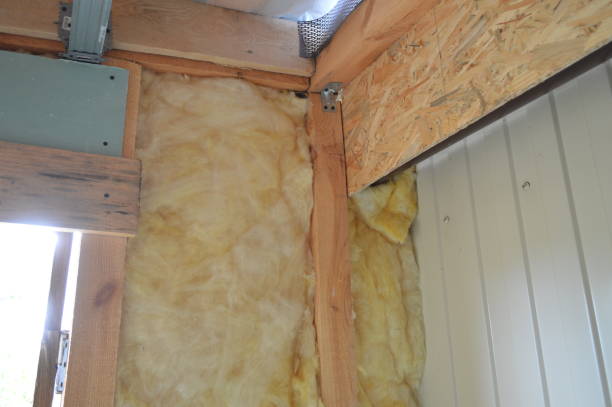
Fiberglass batts take the biggest beating. They’re loose, easy to push through, and mice love burrowing into them. Not because they taste good, they just make a great tunnel. Loose-fill fiberglass is even worse, since it’s basically a pile of fluff.
Cellulose is made from recycled paper and usually treated with borate, which helps a bit. Rodents can still nest in it, though, so don’t let anybody sell it as a fix. Cotton and wool are eco-friendly and lovely but extremely nest-friendly. If you’ve got a rodent problem, soft natural fibers are like leaving a pillow out for them.
Open-cell spray foam is softer than most people think, and rodents can dig into it more easily than the closed-cell kind. It’s better than fluff, sure, but I wouldn’t call it a barrier.
What “Rodent Proof” Really Means on a Label

Here’s where I get blunt. When a product says rodent proof, read the fine print. Usually it means rodent resistant, or it’s treated with something that discourages them, or it’s dense enough that nesting is tough. Resistant isn’t proof. If a rep says proof, ask them to put it in writing and watch the conversation change.
Basically there are three ideas going on. Hard materials that are tough to chew. Dense materials that are tough to tunnel through. Treated materials that smell or taste bad. Some products get two out of three. None get everything.
Think of it like a lock on your front door. It slows down a burglar, it doesn’t stop a determined one with a crowbar. Same deal with insulation, it’s about making your home the harder, less rewarding target compared to the neighbor’s.
Closed-Cell Foam, Mineral Wool, and Rigid Board
Closed-cell spray foam is the strongest of the bunch. Once it cures, it’s hard, it seals gaps, and a rodent has nothing to grab or pull apart. They can chew it if they’re stubborn, but the payoff is nothing, so most don’t. Price is the downside, and you really want a pro spraying it.
Mineral wool, also called rock wool, is dense and scratchy. It doesn’t fluff into nesting material the way fiberglass does, and it’s fire resistant, which people forget to care about until they need it. It’s cheaper than foam and easier to install yourself. Wear gloves and a mask though, it itches like crazy.
Rigid foam board works great in basements, crawl spaces, and knee walls. Solid, easy to cut, doesn’t make a cozy nest. The weak spot is the seams. Mice chew at the edges, and bigger animals can pull panels loose, so tape and seal everything properly.
Sealing the House Matters More Than the Material
This is the part I wish everyone understood. You can put the best insulation in the world in your attic, and if the roof has a gap, rodents are still coming. They’ll go around it, through it, or just wreck your ductwork instead.
Walk your house outside. Check around utility lines, vents, the foundation, garage door seals, and anywhere a pipe pokes through a wall. Steel wool and copper mesh work for small holes, because rodents hate chewing them. Caulk holds them in place. Heavy gauge hardware cloth covers larger openings and vents. Not thin chicken wire, they’ll shred that.
Then look up. Soffits, fascia, ridge vents, chimney flashing. Trim branches so there’s eight to ten feet between trees and your roof. It’s boring work, I know. It’s also way cheaper than ripping out ruined insulation every couple of years.
When the Intruder Is Bigger Than a Mouse

Sometimes it’s not mice at all. If you’re hearing heavy thumping and dragging at night, around dusk especially, that’s probably a raccoon, and everything changes. They’re strong, they peel shingles back like yogurt lids, and a mother with babies can be seriously aggressive. Their droppings can also carry roundworm eggs, which are dangerous for people and pets.
This is when people start searching for raccoon removal near me, and honestly, they’re right to. Trapping a mother and leaving kits behind is a disaster, laws about trapping and relocating vary a lot by state, and DIY attempts usually miss the second and third entry points. A licensed company inspects the whole roofline, uses humane exclusion, handles babies carefully, and seals everything afterward.
Don’t climb up with a flashlight. Take photos from a safe spot and let a pro handle it.
Replace the Damage the Right Way
After the animals are gone, don’t just throw new insulation over the mess. Urine and droppings soak in and hold smell, and that scent trail brings the next visitors right back. The soiled and flattened sections have to come out, sometimes the whole attic floor.
Order matters here. Remove the animals first, seal every entry point, clean and sanitize, then insulate. Skip a step and you’ll do the job twice. I’ve seen people lay down fresh fiberglass over a contaminated attic, and three months later it’s trashed again.
Check your wiring too. Rodents chew cables, and chewed wires in a closed attic are a real fire risk. If you see exposed copper or bite marks, call an electrician before closing anything up. Better to find it now than at 2 a.m. when something starts smelling like smoke.
Conclusion

So, is rodent proof insulation real? Not completely. But closed-cell spray foam and mineral wool come close enough to be worth it, with rigid foam board doing fine in basements and crawl spaces. Soft, fluffy materials are the ones to be careful with. And whatever you choose, it only works if you’ve sealed the house and dealt with any animals first. Material alone won’t save you.
If you’re hearing noises overhead, or you want to protect your home before something moves in, Elite Wildlife Services can inspect your property, handle humane removal, repair entry points, and help you pick the right insulation once the space is clean. Don’t wait for the ceiling stain. Rodents don’t get less destructive with time.
FAQs
Is there really such a thing as rodent proof insulation?
Not 100 percent. Dense and hard materials like closed-cell spray foam and mineral wool are very resistant, but a determined animal can damage almost anything.
What’s the best insulation to keep mice and rats out?
Closed-cell spray foam is usually the strongest option, with mineral wool as a cheaper choice. Sealing entry points matters just as much.
Does fiberglass attract rodents?
Not as food, but it’s soft and easy to tunnel through, so it makes a perfect nesting spot.
When should I search for raccoon removal near me instead of handling it myself?
Anytime you suspect a raccoon, especially if there might be babies. They can be aggressive, droppings carry health risks, and trapping laws are strict in many areas.
Do I need to replace insulation after rodents?
Usually yes, at least the soiled or compressed parts. Droppings and urine hold odor and bacteria that attract new animals.
Will repellents keep rodents out of my insulation?
Not for long. Smells and sprays fade quickly, so sealing the home is what really works.