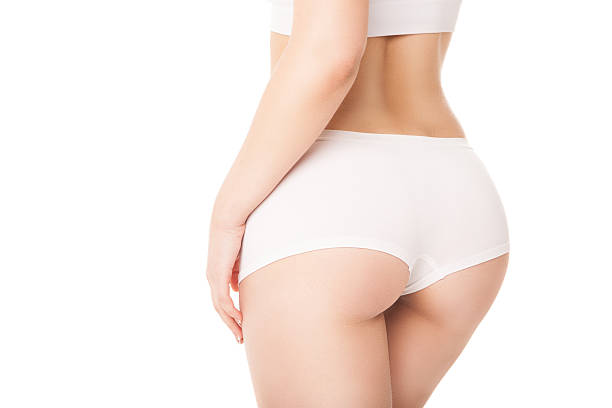
One of the most confusing parts of Brazilian Butt Lift recovery is discovering that the volume you left surgery with isn't the volume you keep. Brazilian Butt Lift in Riyadh A significant portion of transferred fat is reabsorbed during healing, and what remains determines your final shape. Understanding why this happens, and what influences it, removes the mystery and gives you real control over your outcome. If you've had or are considering a Brazilian Butt Lift in Riyadh, here's why some fat survives and some doesn't.
The Biology Behind Fat Survival
Fat Cells Need a Blood Supply
A fat cell cannot survive on its own. Once transferred from one part of the body to another, it must connect to local blood vessels within a few days. If it establishes that connection, it becomes permanent tissue. If it doesn't, the body breaks it down and clears it away.
The Three-Phase Process
Immediately after transfer, fat cells rely on diffusion from surrounding tissue fluids. Over the next several days, new capillaries grow into the graft. By roughly two to three weeks, surviving cells are integrated. Anything that fails this process is gradually reabsorbed.
Why the Body Removes It
The body treats damaged or unsupported cells as waste. Rather than leaving dead tissue in place, it recruits immune cells to break the fat down and clear it through normal metabolic pathways.
The Typical Survival Range
Most patients retain roughly 60 to 80 percent of transferred fat. This range varies by technique, anatomy, and aftercare.
Technique-Related Reasons Fat Doesn't Survive
Rough Fat Handling
Fat cells are delicate. High-pressure liposuction or rough processing ruptures cell membranes before transfer.
Delays Outside the Body
The longer harvested fat remains outside the body, the more cells deteriorate.
Inadequate Purification
Harvested fat contains oil, blood, and fluid. If these aren't properly removed, they can trigger inflammation and interfere with blood supply formation.
Large Boluses of Fat
Injecting fat in large clumps means only the outer cells access blood supply; the core dies.
Injection Depth
Placing fat in the wrong plane affects survival. Subcutaneous placement is safest and well vascularized.
Over-Augmentation
Attempting very large volumes in one session means the recipient area can't support all the tissue.
Patient-Related Reasons Fat Doesn't Survive
Smoking
Nicotine constricts blood vessels and impairs circulation. It's one of the strongest negative influences on fat survival.
Poor Nutrition
Protein deficiency, low vitamin C, inadequate zinc, and insufficient calories all impair tissue repair.
Dehydration
Adequate hydration supports circulation and cellular function.
Medical Conditions
Diabetes, cardiovascular disease, and conditions affecting circulation reduce the body's ability to vascularize new tissue.
Medications and Supplements
Blood thinners increase bruising and may affect healing.
Individual Healing Variation
Genetics and age influence how efficiently your body forms new blood vessels.
Weight Fluctuation
Fat cells that survive can still shrink or enlarge with weight change. Patients often mistake weight-related volume loss for fat reabsorption.
Aftercare Reasons Fat Doesn't Survive
Sitting Too Early
Direct pressure on the buttocks compresses newly transferred cells before they've connected to a blood supply. This is one of the most preventable causes of volume loss.
Skipping the BBL Pillow
When sitting is unavoidable, a BBL pillow suspends the buttocks so pressure transfers to the thighs.
Sleeping on the Back
Overnight pressure adds up. Stomach or side sleeping protects the treated area.
Heat Exposure
Saunas, hot baths, and prolonged sun exposure increase swelling and blood flow in ways that can disrupt early healing.
Strenuous Activity Too Soon
Intense exercise raises blood pressure and swelling, potentially disturbing fragile new connections.
Ignoring Follow-Up Instructions
Every deviation from your surgeon's protocol adds risk. People researching bbl in saudi arabia often find that aftercare discipline matters as much as surgical technique.
Why Results Look Different Over Time
Swelling Masks Reality Initially
The buttocks appear fuller immediately after surgery than they will later. This is swelling, not final volume.
Reabsorption Happens Gradually
Non-surviving fat is cleared slowly over weeks and months, which is why results keep shifting.
Final Shape Emerges Around Six Months
By this point, reabsorption has largely completed and remaining fat has settled.
Weight Changes Continue to Affect Shape
Even after six months, transferred fat responds to weight gain and loss like any other fat.
How to Maximise Fat Survival
Choose an Experienced Surgeon
Technique is the largest controllable factor. Ask about harvesting methods, processing, injection volumes, and how they maximise viability.
Stop Smoking Well in Advance
Ideally weeks before surgery, and stay off it throughout recovery.
Eat for Healing
Protein, vitamin C, zinc, and adequate calories support tissue repair.
Follow Positioning Rules Exactly
No direct sitting for two to three weeks. Use a BBL pillow. Sleep on your stomach or side.
Stay Consistent With Compression
Wear garments as directed. They support healing and help contours settle evenly.
Rest and Hydrate
Sleep supports recovery, and fluids support circulation.
Maintain Stable Weight Long-Term
This preserves the shape you worked to achieve.
Book an Appointment Consultation Clinic
For those seeking expert guidance and customized aesthetic care, you can book an appointment consultation at the Enfield Royal Riyadh. A personalised consultation helps you understand fat survival expectations and how to protect your results.
FAQs
Why does some fat not survive after a BBL?
Fat cells need a blood supply. Cells that fail to connect to local circulation within days are reabsorbed by the body.
How much transferred fat typically dies?
Roughly 20 to 40 percent is reabsorbed, meaning most patients retain about 60 to 80 percent of transferred fat.
Can I prevent fat loss after a BBL?
You can reduce it by not smoking, eating well, staying hydrated, and strictly following positioning and aftercare rules.
Does sitting too early kill fat cells?
Yes. Direct pressure during the first two to three weeks can compress cells before they establish a blood supply.
When do I know my final BBL results?
Final shape typically emerges around three to six months, once swelling resolves and reabsorption is complete. A Brazilian Butt Lift in Riyadh consultation should include honest discussion of fat survival.