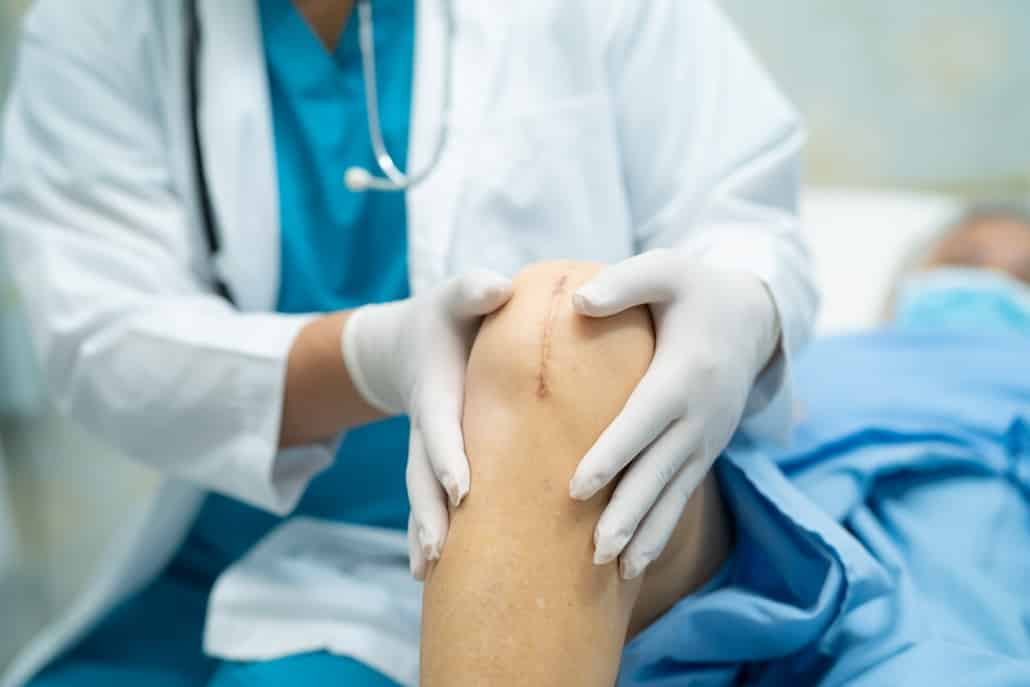
Recovering from surgery, an injury, or a cosmetic procedure can require patience, careful wound management, and regular medical follow-ups. Once the wound has healed sufficiently, removing the stitches becomes an important part of the recovery process. Home-based medical care can be particularly helpful for individuals with limited mobility, busy schedules, or discomfort when travelling after a procedure. Having a qualified healthcare professional visit your home may also make follow-up care easier to coordinate, especially when the wound needs to be assessed before the stitches are removed. For patients who prefer to avoid travelling while healing, Suture Removal at Home in Dubai may offer a convenient alternative to visiting a clinic, provided the service is medically appropriate for their condition.
However, convenience should never come at the expense of safety. Sutures must be removed at the appropriate time, depending on the wound's location, the type of closure, and the patient's healing progress. Removing stitches too early can cause the wound to reopen, while leaving them in for too long may increase the risk of skin irritation, visible stitch marks, or other complications.
Dubai offers a range of healthcare providers and clinics that patients can contact to discuss wound care and post-procedure support. Understanding the services available, the qualifications of healthcare professionals, and the precautions involved can help you make an informed decision about your recovery.
How Can Home-Based Suture Removal Support Recovery?
Suture removal at home can make post-procedure care more manageable when a qualified healthcare professional determines that the wound is ready. Rather than travelling to a medical facility, patients may be able to receive an assessment and appropriate care in their own surroundings.
Some potential advantages include:
Greater convenience: Patients can arrange care around their recovery schedule and daily responsibilities.
Reduced travel demands: Home visits may be helpful for people experiencing discomfort, restricted movement, or fatigue.
Personalised attention: A healthcare professional can assess the wound and discuss relevant aftercare instructions.
Improved continuity of care: Home-based appointments may help patients maintain their recommended follow-up schedule.
Comfort during recovery: Receiving appropriate care in a familiar environment may make the process less stressful.
Nevertheless, not every wound is suitable for home treatment. Signs of infection, wound separation, persistent bleeding, or delayed healing may require an in-person clinical assessment. Patients should follow their surgeon's instructions and avoid removing stitches themselves unless specifically advised by an appropriate healthcare professional.
Healthcare Providers to Consider for Post-Procedure Care in Dubai
When considering home-based wound care, patients should look beyond convenience and confirm the provider's qualifications, available services, and suitability for their medical needs. The following clinics and healthcare providers are options to contact for information about post-procedure care and potential home-visit services. Availability of suture removal at home should be confirmed directly with each provider.
Dynamic Life Clinic
Dynamic Life Clinic is a name patients may encounter when exploring aesthetic and medical services in Dubai. For individuals recovering from cosmetic procedures, understanding the follow-up care available through a clinic can be an important part of planning a smooth recovery.
Before arranging a stitch-removal appointment, patients should ask whether the clinic provides wound assessments, post-procedure reviews, or referrals to qualified professionals who perform home visits. It is also worth clarifying whether the clinician can assess the wound before removing the sutures.
Patients who have undergone cosmetic surgery should follow the operating surgeon's instructions regarding removal timing, wound cleaning, activity restrictions, and scar care. The appropriate approach depends on the procedure performed and the patient's individual healing progress.
Enfield Royal Clinic
Enfield Royal Clinic is another provider patients can contact when exploring aesthetic treatments and post-procedure support in Dubai. For those considering Suture Removal at Home, the most important step is to establish whether an appropriate home-visit service is available and whether the healthcare professional can safely manage the specific wound.
Patients should explain the type of procedure they underwent, the date the stitches were placed, and whether they have noticed any changes around the incision. This information can help the provider determine whether a home appointment is potentially suitable or whether an in-person examination is more appropriate.
It is also sensible to ask about the professional's qualifications, infection-control procedures, follow-up recommendations, and what happens if the wound appears not to have healed adequately. Clear communication before the appointment helps patients understand what the service includes and whether additional medical care may be necessary.
Tajmeels Clinic
Tajmeels Clinic may be another option to explore when researching aesthetic care and recovery support in Dubai. Patients recovering from cosmetic treatments or surgical procedures should confirm which follow-up services the clinic offers and whether it can assist with stitch removal or recommend an appropriately qualified healthcare professional.
Before booking, ask whether the service includes an assessment of the wound, removal of sutures when clinically appropriate, and guidance on protecting the healing skin afterward.
For cosmetic procedures, wound care can influence the appearance of the eventual scar. Patients should avoid applying unapproved products to a fresh incision and should discuss scar-management options with their treating clinician once the wound has healed sufficiently.
bestdochealthcare.ae — Call Doctor Now
bestdochealthcare.ae, presented as Call Doctor Now, is another service patients may wish to contact when looking for home-based medical assistance. When evaluating a provider for stitch removal, it is important to establish whether the service currently offers home visits in the patient's area of Dubai and whether a suitably qualified professional can perform the procedure.
Patients should confirm the appointment process, any consultation or visit fees, and whether the healthcare professional can assess the wound before removing the stitches. They should also ask whether the service can provide further medical advice or arrange a referral if the wound shows signs of infection or incomplete healing.
A home visit may be practical for patients who have difficulty travelling, but the service should be appropriate for the wound's condition and the patient's recovery requirements.
How to Choose the Right Clinic for Suture Removal at Home
Selecting a suitable provider involves more than comparing appointment times. Because stitch removal is part of wound management, patients should ensure that the healthcare professional understands the procedure, follows appropriate infection-control practices, and knows when further assessment is necessary.
Experience and Qualifications
Confirm that the person performing the procedure is appropriately licensed and trained to provide wound care in Dubai. Experience with postoperative wounds, surgical incisions, and different types of sutures can be valuable.
Patients should also explain whether the stitches were placed after surgery, an accident, a cosmetic procedure, or another medical intervention. The type and location of the wound can influence the removal technique and timing.
Appropriate Techniques and Equipment
Suture removal generally involves using suitable medical instruments to cut and withdraw the stitches without unnecessarily disturbing the healing tissue. The clinician should follow appropriate hand hygiene, instrument preparation, and wound-care procedures.
Depending on the wound's condition, the healthcare professional may recommend cleaning the surrounding area, applying a suitable dressing, or using additional support to protect the incision after removal.
Safety Standards
A reliable provider should explain how infection-control procedures are maintained during home visits. The clinician should use appropriate equipment and assess the wound before proceeding.
Patients should understand that stitch removal may need to be postponed if the wound has not healed sufficiently. If there is significant redness, warmth, swelling, pus, increasing pain, or wound separation, medical assessment should take priority over routine removal.
Consultation Process
Before booking, ask what information is needed to determine whether the appointment is appropriate. The provider may request details about the procedure, the date the stitches were inserted, the wound's location, and any symptoms that have developed.
Patients should also ask whether the appointment includes a wound assessment and what happens if the clinician determines that removal is not advisable.
Patient Experience and Communication
Clear communication can make recovery easier to manage. The provider should explain what to expect during the appointment, how to care for the wound afterward, and which symptoms warrant medical attention.
Patients should also receive clear information about appointment availability, service areas, fees, and any follow-up arrangements.
Expected Results and Aftercare
Successful suture removal means the stitches are removed when appropriate without compromising wound healing. It does not necessarily mean the incision will be completely healed or that a scar will be invisible.
After removal, patients may need to keep the area clean, protect it from friction, and follow instructions about dressings, bathing, physical activity, and scar care. Some wounds require adhesive strips or other support for a short period after the sutures are removed.
What Happens During a Home Suture Removal Appointment?
A typical appointment begins with a review of the patient's medical history and the circumstances surrounding the wound. The healthcare professional should inspect the incision to determine whether the edges appear sufficiently closed and whether there are signs of infection or other complications.
If removal is appropriate, the clinician uses suitable instruments to cut and withdraw the stitches carefully. The area may then be assessed again, and a dressing or adhesive strips may be recommended depending on the wound and its location.
Patients should expect to receive instructions about keeping the area clean, avoiding excessive stretching or friction, and monitoring the wound over the following days.
The process is often brief, but the duration depends on the number of stitches, the wound's location, and whether any difficulties arise during removal. Mild sensitivity may occur, although significant pain should be discussed with the healthcare professional.
If the wound begins to separate or appears inadequately healed, the clinician may stop the procedure and recommend further medical evaluation.
How Can You Care for Your Skin After Suture Removal?
Appropriate aftercare helps protect the healing tissue and reduces unnecessary irritation. Although the exact instructions depend on the wound, several general principles can support recovery.
Follow the healthcare professional's instructions for cleaning and dressing the area.
Avoid picking at scabs or pulling on the healing skin.
Limit activities that place excessive tension on the incision.
Do not apply scar creams, exfoliants, or other topical products to an unhealed wound without medical advice.
Ask when it is appropriate to resume swimming, strenuous exercise, or other activities that could affect the incision.
Protect the healed area from sunlight, following your clinician's recommendations, to help reduce post-inflammatory pigmentation and scar discoloration.
Watch for increasing redness, swelling, warmth, worsening pain, pus, fever, or wound separation. These symptoms may indicate a complication and should prompt medical advice. Significant bleeding, rapidly worsening symptoms, or a wound that opens substantially may require urgent assessment.
Frequently Asked Questions
Is Suture Removal at Home safe in Dubai?
It can be appropriate when performed by a suitably qualified healthcare professional, and the wound has healed sufficiently. The clinician should assess the incision before removing the stitches. Wounds showing signs of infection, separation, or delayed healing may require an in-person clinical evaluation instead.
How long does a home stitch-removal appointment take?
The procedure is often completed within a short appointment, but the duration depends on the number of stitches, the wound's location, and its condition. Additional time may be needed for wound assessment, dressing changes, or aftercare instructions.
Does stitch removal hurt?
Most patients experience little discomfort, although mild pulling, tenderness, or brief stinging may occur. Pain levels vary according to the wound's location, the condition of the surrounding skin, and how well the incision has healed. Significant pain should be reported to the healthcare professional.
Can I remove my stitches myself at home?
Self-removal is generally not recommended unless your treating clinician has specifically advised it and provided appropriate instructions. Incorrect removal can damage the healing tissue, leave suture material behind, or cause the wound to reopen. Professional assessment is particularly important after surgery or when the wound's healing status is uncertain.
What should I do if my wound looks infected before my appointment?
Contact your treating clinician promptly if you notice increasing redness, swelling, warmth, pain, discharge, or other concerning changes. Do not proceed with routine stitch removal without medical guidance. Fever, rapidly spreading redness, substantial wound separation, or severe symptoms warrant urgent assessment.
Conclusion
Recovering after surgery or an injury involves more than waiting for the skin to close. Timely follow-up, appropriate wound assessment, and careful aftercare all contribute to a safer recovery. For suitable patients, Suture Removal at Home in Dubai may reduce the inconvenience of travelling to a medical facility while allowing a qualified healthcare professional to assess the wound and provide practical aftercare advice.
When considering providers such as Dynamic Life Clinic, Enfield Royal Clinic, Tajmeels Clinic, or bestdochealthcare.ae, confirm the availability of home visits, the qualifications of the professional performing the procedure, and the scope of care included in the appointment. Do not assume that every provider offers the same services.
Ultimately, the best approach is one that balances convenience with sound clinical judgment. Follow the instructions of your treating clinician, ensure that the wound is ready before the stitches are removed, and seek medical assessment if healing does not appear to be progressing as expected. With appropriate planning and professional guidance, you can make your recovery more manageable while prioritising your health and safety.