When exploring non-surgical skin tightening, Venus Legacy and HIFU (High-Intensity Focused Ultrasound) often appear on the same shortlist. Both promise firmer skin and improved contours without surgery—but they work in fundamentally different ways, target different depths, and suit different concerns. Understanding these differences helps you choose the approach that matches your goals rather than the one with the most compelling marketing. Venus Legacy in Riyadh compares Venus Legacy and HIFU practically—mechanisms, results, comfort, and suitability.
How Venus Legacy Works
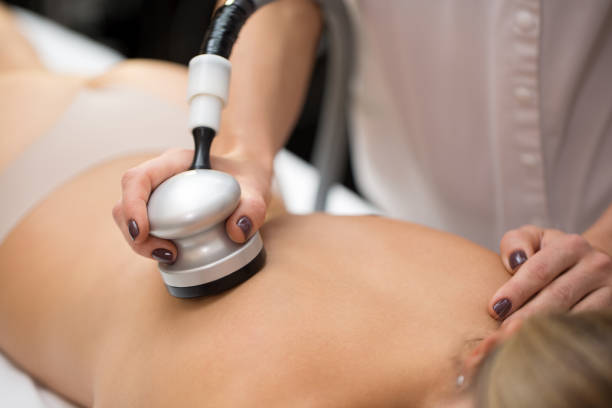
Venus Legacy combines radiofrequency (RF) energy, pulsed electromagnetic fields (PEMF), and targeted massage. The RF energy heats the dermis—the deeper layer of skin—stimulating collagen production and improving skin elasticity. The PEMF and massage components support circulation and lymphatic drainage. The treatment is applied via an applicator moved over the skin—no needles, no incisions. It's comfortable, requires no downtime, and can treat both face and body areas.
How HIFU Works
HIFU uses focused ultrasound energy delivered to precise depths beneath the skin—typically the SMAS layer (superficial muscular aponeurotic system) and deeper dermal layers. The focused energy creates controlled thermal coagulation points, triggering collagen production and tissue contraction. HIFU is more targeted and penetrates deeper than RF—which can produce more significant lifting and tightening. However, it's also more intense—some patients describe discomfort during treatment—and requires precise technique to avoid complications.
Depth of Treatment: A Key Difference
The most significant difference is treatment depth. Venus Legacy's RF energy primarily affects the dermis—improving skin quality, texture, and mild laxity. HIFU targets deeper layers—including the SMAS—which can produce lifting effects that RF cannot. This means HIFU may be more appropriate for significant laxity and lifting concerns, while Venus Legacy may suit skin quality, mild laxity, and body contouring. Understanding your concern's depth helps determine which technology suits you.
Results and Suitability
Venus Legacy produces gradual, modest improvement—firmer skin, reduced cellulite, smoother contours—developing over weeks to months. It's suitable for mild to moderate concerns and body areas. HIFU produces more noticeable lifting and tightening—particularly for facial and neck laxity—with results developing over two to three months. HIFU is often used for facial lifting; Venus Legacy for skin quality and body contouring. Suitability depends on your specific concerns and anatomy.
Comfort and Downtime
Venus Legacy is comfortable—described as a warm massage—with no downtime. HIFU involves more discomfort—some describe sharp sensations or heat—and may require numbing. Neither requires significant downtime, though HIFU may cause mild swelling or tenderness for a few days. If comfort is a priority, Venus Legacy has an advantage; if lifting is the goal, HIFU's intensity is part of its effectiveness.
Treatment Areas
Venus Legacy treats face, neck, abdomen, thighs, arms, and buttocks—addressing skin laxity, cellulite, and contours. HIFU treats face, neck, and décolletage—primarily for lifting and tightening. HIFU is less commonly used for body contouring; Venus Legacy is more versatile across body areas. Your treatment area influences which technology is appropriate.
Longevity of Results
Both treatments produce results that last months—typically six to twelve months—with maintenance recommended. HIFU results may last longer—sometimes up to a year or more—due to deeper tissue effects. Venus Legacy results require more frequent maintenance. Longevity varies by individual, lifestyle, and treatment area—discuss expectations with your provider.
Risks and Considerations
Both treatments are generally safe when performed by qualified providers. Venus Legacy risks include mild redness, warmth, and rare burns if settings are incorrect. HIFU risks include swelling, tenderness, nerve sensitivity, and rare complications if performed improperly—depth and technique matter significantly. HIFU requires more precise technique; provider experience is essential. Neither is risk-free—choose qualified providers.
Which Should You Choose?
The choice depends on your concerns. For skin quality, cellulite, and body contouring—Venus Legacy may suit. For facial and neck lifting with deeper tissue effects—HIFU may be more appropriate. Some patients combine approaches—HIFU for lifting, Venus Legacy for skin quality and body areas. A professional assessment determines which technology—or combination—suits your anatomy and goals.
Questions to Ask Your Provider
Ask: Which technology suits my concerns, and why? What results are realistic with each? How do comfort and downtime compare? How many sessions will I need? What are the risks? A provider who answers specifically—referencing your anatomy—helps you choose appropriately.
When to Seek Professional Guidance
If you're unsure whether Venus Legacy or HIFU suits your concerns, professional assessment is essential. For personalized guidance on choosing between these treatments, a consultation with qualified professionals offers clarity and direction.
Final Thoughts: Match Technology to Concern
Venus Legacy and HIFU are both legitimate non-surgical options—but they work differently and suit different concerns. Venus Legacy excels at skin quality, cellulite, and body contouring; HIFU excels at facial and neck lifting through deeper tissue effects. Neither is universally better—only better for your specific goals. Understand the differences, ask specific questions, and choose based on what your skin actually needs.
Book an Appointment Consultation Clinic
For those seeking expert guidance and customized aesthetic care, you can book an appointment consultation at the Enfield Royal Riyadh.
FAQs
What's the main difference between Venus Legacy and HIFU?
Venus Legacy uses RF energy for skin quality and body contouring; HIFU uses focused ultrasound for deeper lifting.
Which is better for facial lifting?
HIFU typically produces more significant lifting due to deeper tissue penetration.
Is HIFU more painful than Venus Legacy?
HIFU involves more discomfort—some describe sharp sensations; Venus Legacy feels like a warm massage.
Which lasts longer?
HIFU results may last up to a year or more; Venus Legacy typically six to twelve months with maintenance.
Can I combine Venus Legacy and HIFU?
Yes—some patients combine HIFU for lifting with Venus Legacy for skin quality and body areas.