Acne scars are stubborn. Creams and serums can improve texture and tone, but they rarely resolve structural scarring—the indentations, rolling texture, and raised tissue that acne leaves behind. Skin Clinic Riyadh This is where skin clinic treatments come in. Professional treatments can significantly improve acne scars—softening texture, reducing depth, and restoring smoother skin. But expectations matter: scars improve, they rarely disappear entirely. explains the options available at skin clinics, what each can achieve, and what results to realistically expect.
Understanding Acne Scar Types
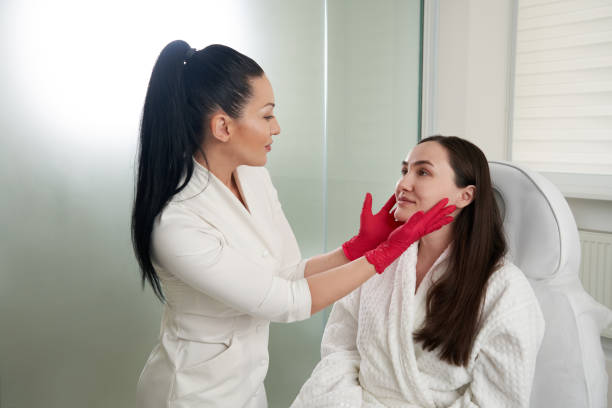
Before discussing treatments, understand what you're treating. Icepick scars—narrow, deep pits—require different approaches than rolling scars—wavy texture caused by tethered bands—or boxcar scars—broad depressions. Raised scars need different treatments entirely. Many people have mixed scar types, requiring combination approaches. Accurate diagnosis determines which treatments are appropriate—and what results are realistic. A skin clinic assessment identifies your scar types and tailors treatment accordingly.
Option One: Fractional Laser Resurfacing
Fractional lasers—including ablative and non-ablative options—are among the most effective treatments for acne scars. They create microscopic treatment zones that stimulate collagen remodeling, gradually improving texture and reducing scar depth. Multiple sessions are typically required, spaced weeks apart. Non-ablative lasers involve less downtime; ablative lasers produce more dramatic results but require longer recovery. Lasers are particularly effective for rolling and boxcar scars—less so for deep icepick scars.
Option Two: Microneedling and RF Microneedling
Microneedling creates controlled micro-injuries that trigger collagen production, improving texture and reducing scar depth. Radiofrequency microneedling combines microneedling with RF energy—delivering heat deeper into the skin for enhanced collagen remodeling. These treatments are gentler than lasers, with less downtime and lower pigmentation risk—making them suitable for darker skin tones. Multiple sessions are required. Microneedling is particularly effective for rolling and boxcar scars.
Option Three: Subcision
Subcision is a technique that uses a small needle to release fibrous bands tethering scars to deeper tissue—a common cause of rolling scars. By releasing the tethers, subcision allows the skin to lift, reducing depression depth. It's often combined with other treatments—lasers, microneedling, or fillers—for comprehensive improvement. Subcision causes bruising and requires recovery time, but it's particularly effective for rolling scars that don't respond to resurfacing alone.
Option Four: Chemical Peels
Chemical peels—ranging from superficial to deep—remove skin layers and promote renewal, improving texture, tone, and mild scarring. Superficial peels are gentle with minimal downtime; deeper peels produce more dramatic results but require longer recovery. Peels are particularly effective for pigmentation and mild texture—less so for deep structural scars. They're often combined with other treatments for comprehensive improvement.
Option Five: Fillers
Hyaluronic acid fillers can be injected beneath depressed scars—particularly boxcar and rolling scars—to lift them and smooth contours. Results are temporary—lasting months—and require maintenance. Fillers are often used alongside collagen-stimulating treatments rather than as standalone solutions. They're particularly effective for scars with volume loss—less so for textured or tethered scars.
Combining Treatments
Many patients benefit from combining treatments—lasers with subcision, microneedling with fillers—to address multiple scar components simultaneously. Combination approaches often produce better results than single modalities. A skin clinic can design a personalized plan based on your scar types, skin tone, and goals. Sequencing matters—treatments must be spaced appropriately to allow healing.
Realistic Expectations
Acne scar treatments improve scars—they rarely eliminate them entirely. Most patients experience moderate to significant improvement—softer texture, reduced depth, more even tone. Results develop gradually over weeks to months, with multiple sessions required. Complete clearance is uncommon, especially for deep scars. Understanding this prevents disappointment. Patients who expect improvement are typically satisfied; those who expect perfection may not be.
Skin Tone Considerations
Darker skin tones require careful treatment selection—some lasers and peels carry higher pigmentation risk. Providers experienced with diverse skin types adjust modalities, settings, and sequencing to minimize risk. Microneedling and RF microneedling are often safer options for darker skin. If you have darker skin, ask about the provider's experience and approach—personalized care matters.
Questions to Ask During Consultation
Ask: What scar types do I have? Which treatments are appropriate for my scars and skin tone? How many sessions will I need? What results are realistic? What are the risks and downtime? A provider who answers specifically—referencing your scars—helps you set realistic expectations and choose appropriate treatments.
When to Seek Professional Guidance
If you're considering acne scar treatment, professional assessment is essential. A skin clinic can evaluate your scars and recommend appropriate options. For personalized guidance on acne scar treatments, a consultation with qualified professionals offers clarity and direction.
Final Thoughts: Improvement, Not Perfection
Skin clinic treatments can significantly improve acne scars—softening texture, reducing depth, and restoring smoother skin. But scars improve rather than disappear. Understanding the options, realistic expectations, and the importance of personalized assessment helps you choose the right approach. With appropriate treatment and patience, most patients achieve meaningful improvement—and greater confidence in their skin.
Book an Appointment Consultation Clinic
For those seeking expert guidance and customized aesthetic care, you can book an appointment consultation at the Enfield Royal Riyadh.
FAQs
What treatments improve acne scars?
Fractional lasers, microneedling, RF microneedling, subcision, chemical peels, and fillers—often combined for best results.
Can acne scars be removed completely?
Rarely—most treatments significantly improve texture and depth, but some residual scarring typically remains.
Which treatment is best for rolling scars?
Subcision combined with resurfacing treatments (lasers or microneedling) is often most effective.
Are treatments safe for darker skin?
With appropriate modality selection and experienced providers—yes; microneedling is often safer than lasers.
How many sessions are needed for acne scars?
Typically multiple sessions—three to six or more, depending on scar severity and treatment type.