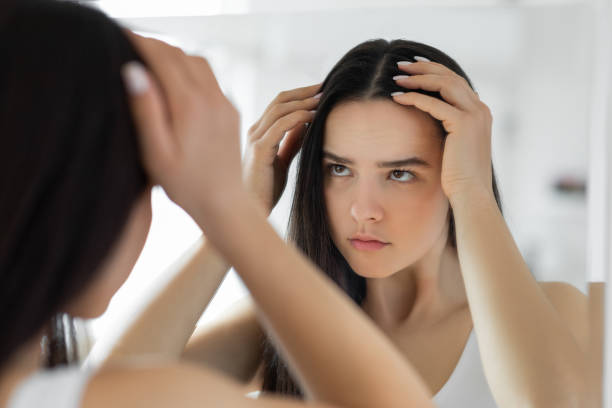
Stress and hair loss are more connected than most people realize. Chronic stress doesn't just affect mood and sleep—it affects hormones, circulation, nutrition, and the hair growth cycle itself. Hair Loss Treatment in Riyadh Dermatologists and hair specialists frequently see patients whose hair loss coincides with stressful periods—and who experience improvement when stress is managed. While stress isn't the only cause of hair loss, addressing it is a meaningful part of any comprehensive hair health routine. explains how stress affects hair—and how managing it supports better growth.
How Stress Affects Hair
Stress affects hair through several mechanisms. It elevates cortisol—the stress hormone—which can disrupt the hair growth cycle, pushing more hairs into the resting phase. It affects circulation—reducing blood flow to the scalp and follicles. It affects nutrition—stress often leads to poor eating habits or nutrient depletion. It disrupts sleep—which impairs repair and regeneration. And it can trigger or worsen scalp conditions—like dandruff or inflammation. The result is increased shedding, slower growth, and sometimes worsened hair quality.
Telogen Effluvium: Stress-Related Shedding
Telogen effluvium is the medical term for stress-related hair shedding. It occurs when a significant stressor—physical or emotional—pushes more hairs than normal into the resting phase. The result is diffuse shedding—often noticeable weeks to months after the triggering event. Telogen effluvium is typically temporary—hair regrows once the stressor resolves. However, chronic stress can cause ongoing shedding—and may contribute to longer-term hair loss. Addressing stress is essential for recovery.
Types of Stress That Affect Hair
Different types of stress affect hair. Physical stress—illness, surgery, injury, or significant weight loss—can trigger shedding. Emotional stress—bereavement, job loss, relationship difficulties, or chronic anxiety—can cause shedding. Hormonal stress—pregnancy, childbirth, menopause, or thyroid dysfunction—affects hair. And lifestyle stress—poor sleep, overwork, or financial pressure—contributes to ongoing strain. Understanding your stressors helps you address them—and supports hair recovery.
Stress Management Techniques
Several stress management techniques support hair health. Exercise—regular physical activity reduces cortisol and improves circulation—supporting both stress and hair health. Mindfulness and meditation—practices that reduce stress and improve sleep. Deep breathing—simple techniques that calm the nervous system. Time outdoors—nature exposure reduces stress. And social connection—talking with friends or family reduces isolation and stress. These techniques don't eliminate stress—but they manage its effects.
Sleep: The Foundation of Recovery
Sleep is when the body repairs and regenerates—including hair follicles. Poor sleep—common during stressful periods—impairs this repair and worsens stress. Prioritize seven to nine hours of sleep nightly. Establish a consistent sleep schedule. Create a cool, dark, quiet sleep environment. Limit screens before bed. Avoid caffeine and alcohol close to bedtime. Sleep is foundational—for stress management and hair health. Improving sleep often produces noticeable improvement in both.
Nutrition Under Stress
Stress affects eating habits—often leading to poor food choices or skipped meals. But hair needs consistent nutrition—protein, iron, zinc, biotin, vitamin D, and other nutrients. During stressful periods, prioritize balanced meals—even when appetite is low. Prepare easy, nutritious options. Consider a multivitamin if intake is inadequate—but don't rely on supplements to replace food. Nutrition supports hair—and stable blood sugar supports mood and stress resilience.
Exercise: Movement as Medicine
Exercise is one of the most effective stress management tools—and it supports hair health. Regular physical activity reduces cortisol, improves circulation, and supports overall health. Aim for at least 150 minutes of moderate activity weekly—walking, cycling, swimming, or strength training. Exercise also improves sleep and mood—creating a positive cycle. You don't need intense workouts—consistent, moderate activity is sufficient and sustainable.
When Stress Is Chronic
Chronic stress—ongoing, unrelenting stress—requires more than lifestyle adjustments. If stress is affecting your daily life, sleep, or mental health, consider professional support. Therapy—cognitive-behavioral therapy or counseling—helps manage stress and anxiety. Medical evaluation—if stress is related to a condition like anxiety or depression. And workplace or lifestyle changes—addressing the source of stress. Chronic stress affects hair—and addressing it supports recovery.
The Role of Professional Treatment
Stress management complements—but doesn't replace—hair loss treatment. If you're experiencing significant hair loss, professional assessment identifies the cause—which may be stress, genetics, nutrition, or a combination. Treatment—like minoxidil or other interventions—addresses hair loss directly, while stress management supports the overall environment for growth. A comprehensive approach addresses both.
Questions to Ask During Consultation
Ask: Is stress contributing to my hair loss? What stress management strategies do you recommend? Do I need treatment for hair loss? How long before I see improvement? A provider who answers specifically—referencing your situation—helps you address both stress and hair health.
When to Seek Professional Guidance
If stress is affecting your hair—or if hair loss persists despite stress management—professional guidance can help. A hair specialist can diagnose the cause and recommend appropriate treatment. For personalized guidance on stress-related hair loss, a consultation with qualified professionals offers clarity and direction.
Final Thoughts: Manage Stress, Support Growth
Stress affects hair—through hormones, circulation, nutrition, and sleep. Managing stress supports hair health—and complements medical treatment. Exercise, mindfulness, sleep, nutrition, and professional support all help. While stress can't be eliminated, its effects can be managed—and hair can recover. Address stress—and support better hair growth.
Book an Appointment Consultation Clinic
For those seeking expert guidance and customized aesthetic care, you can book an appointment consultation at the Enfield Royal Riyadh.
FAQs
Can stress cause hair loss?
Yes—stress triggers telogen effluvium (temporary shedding) and can worsen other types of hair loss.
How long after stress does hair loss appear?
Typically weeks to months after the stressful event—hair sheds when it enters the resting phase.
Will stress-related hair loss grow back?
Usually yes—once stress is managed, hair regrows over months; chronic stress may prolong shedding.
What stress management techniques help hair?
Exercise, mindfulness, adequate sleep, nutrition, and professional support—all reduce stress and support hair health.
When should I see a specialist for stress-related hair loss?
If shedding persists beyond three to six months, or is accompanied by visible thinning—professional assessment helps.