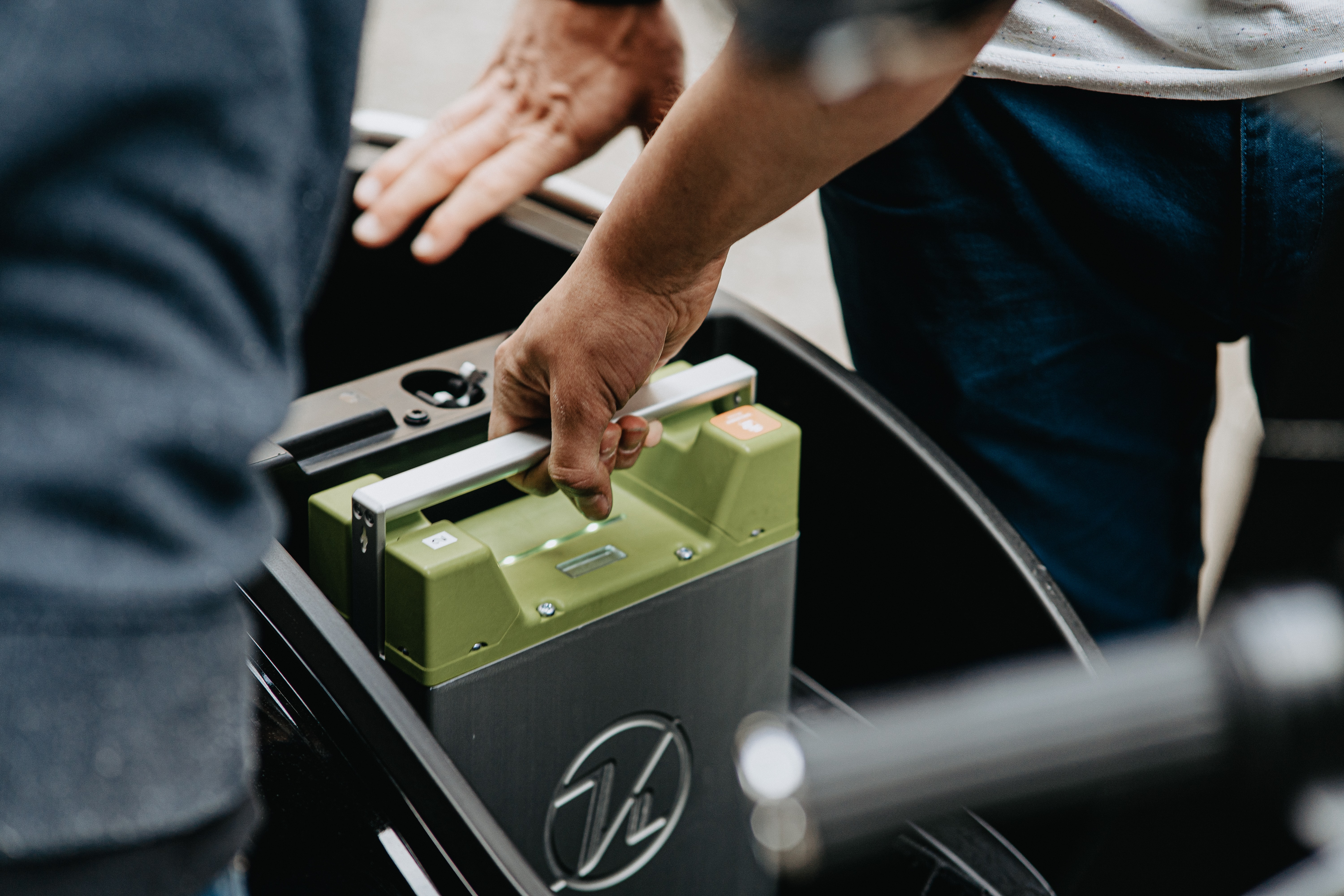
When it comes to cars, there is nothing worse than getting stuck with a dead battery. We've all found ourselves in this situation, and the problem is often compounded by the fact that there are almost no warning signs in modern cars, warning in advance that the battery is about to run out. An electric car battery, like any other lead-acid battery, has a limited lifespan and may eventually lose the ability to hold enough charge to start your car. On average, we can expect a lead-acid battery to last about 42 months, but that lifespan will depend on a number of factors, such as hot or cold climates, path length, and the overall performance of your vehicle's charging circuit.
But no matter what conditions your car is in, here are 5 tips you can check out to get the most out of your battery:
The battery must be tightly attached
Vibration can reduce the life of your vehicle's battery, so it is very important that you use quality, branded battery clips to ensure it is securely and properly secured at all times. If not securely attached, excessive vibration can damage the internal components of the battery, cause short circuits, and generally shorten battery life.
But do not over-tighten the battery clamping nuts - there is a risk of damaging the battery! Just tighten the nuts until you feel a slight resistance, then add another half turn.
Do not leave the vehicle unused for a long time
Although the latest battery technology has more qualities as you may have noticed in some of the points above, it is vital that lead-acid car batteries are fully charged regularly to prevent rapid wear and tear. Regardless of the brand, all lead-acid batteries naturally lose charge over time - what is called "self-discharge".
Try to minimize heat exposure
A popular misconception is that cold weather kills batteries - but that's not entirely true. Car batteries have to work harder to start the engine during the colder winter months. The reason many of them fail during the cold season is mainly due to improper operation during the heat of the previous summer.
Heat affects the battery very strongly, as the heat increases the rate at which water evaporates from the cells - even in closed top batteries. The cold then exposes the weaknesses of the weaker cells in the battery, as lower temperatures reduce the remaining charge power when it tries to start a cold engine.
What to do in this case? First, reduce the temperature that the battery is exposed to. Second, park your car in the shade where possible and keep the garage at a normal temperature. There are also many great ideas on how to isolate the battery from the heat generated by the motor.
Keep your battery clean
Make sure the top of the battery is clean, dry, and free of dirt. A dirty battery can discharge through the dirt on top of the case - creating a soft short circuit that will eventually destroy the battery.
Battery terminals will also corrode over time, and cleaning them to remove plaque and dirt is a great way to extend the life of your car's battery. Clean the terminals with an old toothbrush dipped in baking soda and water. Then, using a spray bottle, rinse off the baking soda with cold water and thoroughly clean the surface with a clean cloth.
It is not recommended to travel short distances often
Your battery "trains" every time you start your car and then starts being charged by the engine while driving. Therefore, if you only move a short distance, the battery will not be able to recover the amount of lost power. And if you repeat this process on a daily basis, the battery voltage will continually decrease until it can no longer start your car.
Maintain your vehicle's battery with frequent and prolonged use. If you don't use your car very often, consider purchasing a charger to maintain the correct voltage.
The bottom line is that it doesn't take a lot of time and effort to shed a car's battery life. Most of the tips described do not require attention often.